
US war cost controversy, Here’s a headline you don’t see every day. Iran is accusing the United States of straight-up lying about how much its recent military operation actually cost.
And not by a little bit. By a lot.
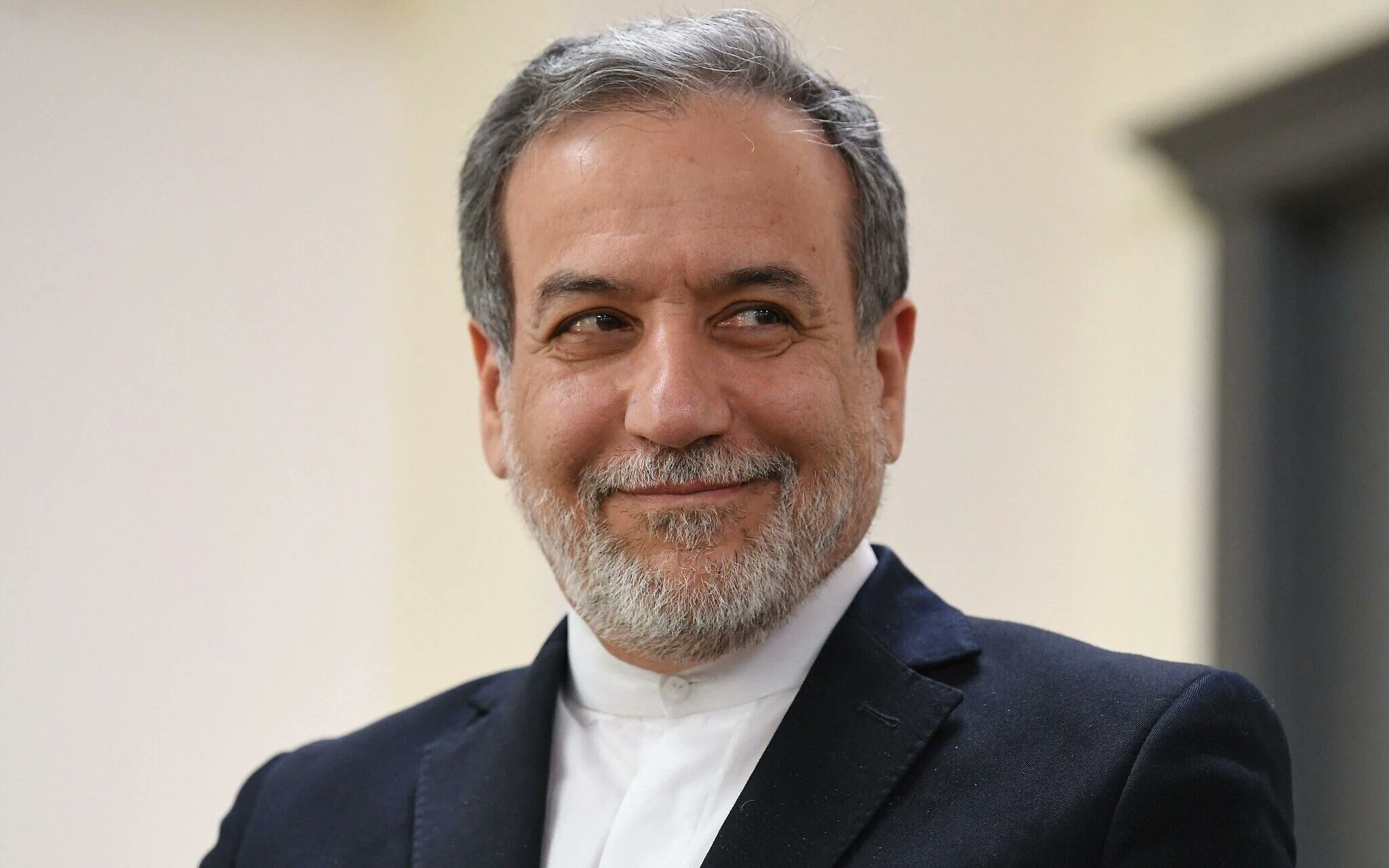
Abbas Araghchi, Iran’s foreign minister, went on X and claimed the real price tag for what the U.S. calls “Operation Epic Fury” isn’t the 25 billion the Pentagon is admitting. According to Tehran, it′s already hit 100 billion. That’s four times higher.
So Who’s Telling the Truth?
Good question. The Pentagon says the operation cost about $25 billion so far. That’s a huge number by any normal standard. But Iran says that’s just what the U.S. wants you to see.
Araghchi argues the official figures leave out a ton of stuff — logistics, long-term deployments, indirect economic ripple effects. You know, all the messy, expensive things that don’t fit neatly into a press release.
Is he right? Honestly, nobody outside the Pentagon knows for sure. But it’s not crazy to think the full cost of a modern military campaign is way higher than the official sticker price.
Netanyahu Gets Dragged Into It
Iran didn’t stop at just criticizing the U.S. Araghchi also pointed fingers at Benjamin Netanyahu, calling the whole thing a “gamble” that’s put serious financial pressure on America.
His implication? That decisions tied to this conflict — ones that maybe weren’t so smart — have directly jacked up the costs. And at the end of the day, it’s American taxpayers holding the bag.
That’s not a new argument. But coming from Iran’s top diplomat? It’s definitely a pointed one.
What This Could Mean for Your Wallet
Here’s where it gets really interesting — and a little eyebrow-raising.
Araghchi suggested that when you add up all the indirect costs from this war, it could amount to nearly $500 per American household. Every single month.
Let that sink in for a second. That’s real money. Groceries. A car payment. A few nice dinners out.
Now, take this with a grain of salt. These figures aren’t independently verified, and Iran obviously has its own reasons for making the U.S. look bad. But even if it’s half that, it’s still a staggering burden.
A Quick Refresher on the Timeline
Just to keep things straight: the conflict reportedly started on February 28 and ran until a ceasefire on April 8. So we’re talking a little over a month of active fighting.
Talks were supposed to happen in Islamabad to sort things out. Those talks stalled. So now you’ve got a fragile ceasefire, no real diplomatic progress, and both sides slinging accusations.
Not exactly a recipe for peace.
Why This Matters Beyond the Numbers
Look, this isn’t just Iran and the U.S. arguing over an Excel spreadsheet. This is about trust. Or the lack of it.
For decades, the two countries haven’t seen eye to eye on much of anything. Military action. Sanctions. Regional influence. You name it.
When Iran says the U.S. is lying about war costs, it’s not just a financial claim. It’s part of a bigger narrative: that Washington isn’t transparent, that they hide the true price of their adventures, and that ordinary Americans pay for it without ever knowing the full story.
Whether you believe that or not, it’s a message that resonates with a lot of people — including plenty of Americans who are already skeptical of military spending.
The Bigger Problem: Nobody Really Knows the True Cost
Here’s the honest truth. Figuring out what a war actually costs is a nightmare.
The Pentagon can tell you how much they spent on bombs and fuel. But what about long-term veteran care? What about economic disruptions back home? What about interest on debt taken out to pay for the whole thing?
Those numbers almost never make it into the official tally. And critics say that’s by design.
So when Iran cries foul, they’re tapping into a very real debate about transparency and accountability. Even if their numbers are exaggerated, the underlying question is legitimate: are we being told the whole truth?
What Happens Now?
No idea. The ceasefire is holding — for now. But diplomatic talks are stuck. And with both sides trading public accusations like this, don’t expect things to warm up anytime soon.
One thing’s certain: this argument over 25billionvs.100 billion isn’t going away. It’ll keep shaping how people in Washington — and around the World — talk about the real price of military action.