Reported De-Escalation Efforts Highlight the Strategic Importance of the Strait of Hormuz for Global Trade and Oil Supplies
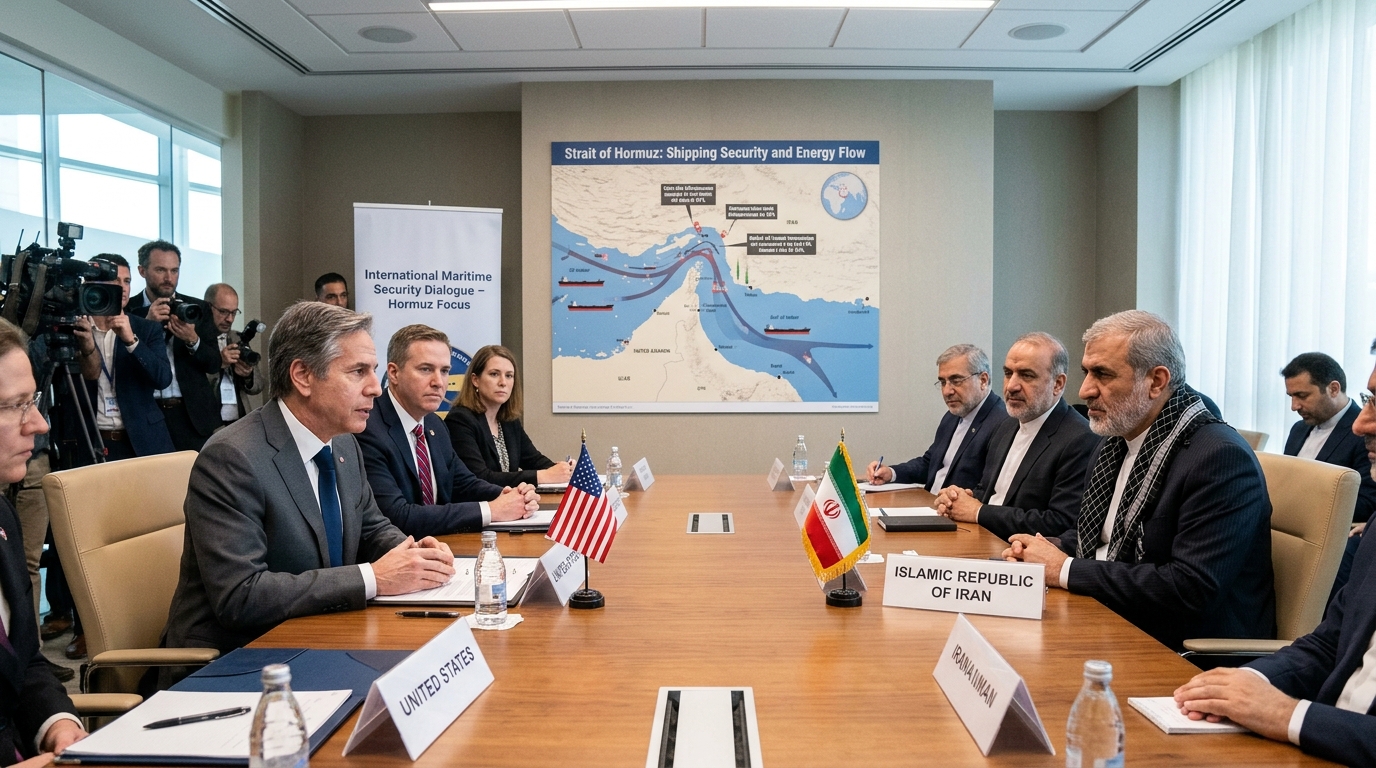
The United States and Iran are once again at the center of international attention as reports of renewed diplomatic engagement raise hopes of reduced tensions in one of the World’s most strategically important waterways.
At the heart of the discussions is the Strait of Hormuz, a narrow shipping corridor that connects the Persian Gulf to global markets. Roughly one-fifth of the world’s oil trade passes through this route, making it a critical artery for energy supplies, international commerce, and regional security.
Recent reports suggest that both Washington and Tehran are exploring mechanisms to reduce military tensions while allowing negotiations to continue on broader security and navigation issues. While many details remain unclear, the developments have already sparked reactions across financial markets, energy sectors, and diplomatic circles.
The emerging US Iran Hormuz Talks are being closely watched because any shift in the region could have immediate consequences for Oil Prices, shipping costs, and geopolitical stability.
Why the Strait of Hormuz Matters
The Strait of Hormuz remains one of the most important maritime chokepoints in the world.
Every day, millions of barrels of crude oil and petroleum products pass through the narrow waterway. Countries across Asia, Europe, and North America rely on uninterrupted access to the route to maintain stable energy supplies.
Because of its strategic importance, even minor disruptions can trigger market volatility. Shipping companies, insurers, and governments often monitor developments in the region closely, knowing that security concerns can quickly affect transportation costs and energy prices.
The latest US Iran Hormuz Talks have therefore attracted significant international attention, particularly among nations dependent on Gulf energy exports.
Markets React to Signs of De-Escalation
Financial markets responded quickly to reports that tensions between the United States and Iran could be easing.
Investors generally view diplomatic engagement as a positive signal because it reduces the risk of wider regional conflict. Energy traders, meanwhile, pay close attention to any developments that could influence the flow of oil through the Strait of Hormuz.
Analysts note that uncertainty often drives oil prices higher, while signs of stability can help calm markets. As reports of potential negotiations emerged, investors evaluated whether reduced military activity might lower risks to commercial shipping and energy infrastructure.
The economic impact of the US Iran Hormuz Talks extends far beyond the Middle East. Higher shipping costs, insurance premiums, and fuel prices can affect businesses and consumers worldwide.
Diplomacy and Security Remain Closely Linked
Despite reports of diplomatic progress, security concerns remain a central part of the conversation.
The United States has long argued that freedom of navigation must be protected to ensure the uninterrupted movement of commercial vessels. Iran, meanwhile, has frequently emphasized its strategic role in the region and its interests in the security of nearby waterways.
These competing priorities have often created friction between the two countries. However, both sides also recognize the economic consequences of prolonged instability.
Experts say successful negotiations would require balancing security concerns, regional interests, and international trade needs. Any agreement would likely involve complex discussions covering maritime operations, military activity, and mechanisms for preventing future escalation.
For this reason, the US Iran Hormuz Talks are viewed as more than a short-term diplomatic effort. They may help shape the future framework governing one of the world’s most critical shipping routes.
Regional Impact Extends Beyond Washington and Tehran
The implications of any agreement would extend well beyond the United States and Iran.
Countries throughout the Gulf region have strong interests in maintaining secure maritime trade routes. Energy-exporting states rely heavily on uninterrupted shipping access, while global importers depend on stable supplies reaching international markets.
Regional governments are therefore monitoring developments carefully. Many hope that diplomatic engagement can reduce tensions and create a more predictable security environment.
Shipping companies and logistics providers are also paying close attention. Even small changes in navigation rules, security procedures, or transit arrangements could influence operational planning and transportation costs.
The ongoing US Iran Hormuz Talks highlight how closely regional security and global economic stability are connected.
Challenges Ahead
Although diplomatic discussions can reduce immediate tensions, significant challenges remain.
The United States and Iran continue to disagree on a wide range of issues, including regional influence, sanctions, military activities, and security arrangements. Building long-term trust will require sustained dialogue and practical confidence-building measures.
Analysts caution that progress in negotiations does not automatically eliminate risks. The Strait of Hormuz has experienced periods of tension before, and maintaining stability will likely require continued diplomatic engagement from multiple regional and international actors.
Nevertheless, many observers view ongoing talks as a positive step toward reducing uncertainty in a region that plays a crucial role in global commerce.
Looking Forward
As discussions continue, governments, businesses, and investors around the world will be watching closely.
The Strait of Hormuz remains a vital gateway for international trade, and any agreement affecting its operation could have far-reaching consequences. Whether the current diplomatic efforts lead to a lasting framework or simply a temporary pause in tensions remains to be seen.
For now, the US Iran Hormuz Talks underscore the importance of diplomacy in managing regional disputes and protecting one of the world’s most important economic lifelines. The outcome could influence not only Middle Eastern security but also the broader global Economy for years to come.