Qatar Meeting Aims to Ease Strait of Hormuz Tensions Following Days of Military Escalation
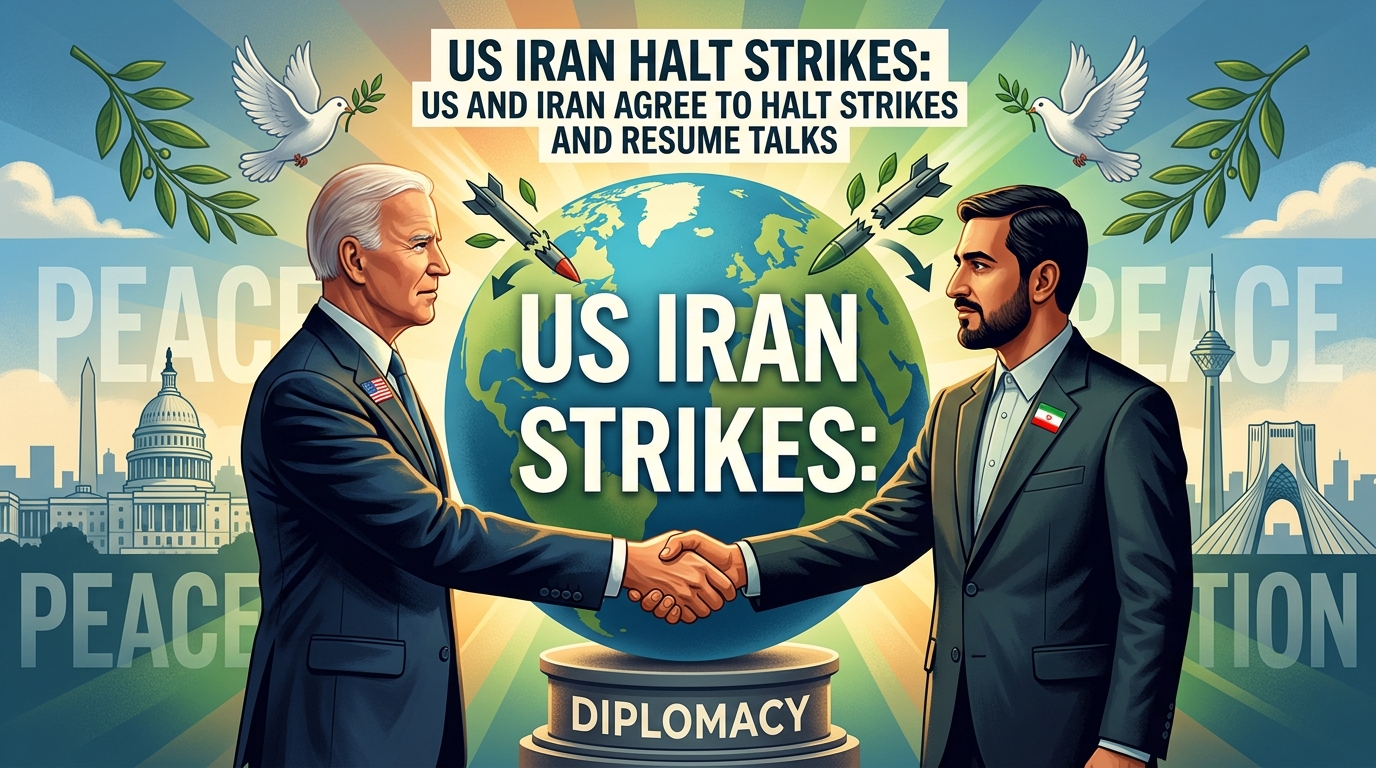
The United States and Iran have agreed to halt military strikes against one another and return to diplomatic negotiations, a significant development that could help prevent a broader regional conflict after days of renewed tensions in the Gulf.
According to a senior U.S. official, representatives from both countries are expected to meet in Doha, Qatar, this week to address disagreements surrounding the Strait of Hormuz, one of the World’s most important maritime trade routes. The agreement comes after a fragile ceasefire was threatened by a series of retaliatory military actions that raised concerns about the future of regional stability.
The US Iran Halt Strikes agreement is being viewed as an important step toward de-escalation after both sides exchanged accusations of violating earlier commitments designed to reduce tensions.
Officials familiar with the discussions said both Washington and Tehran have agreed, at least temporarily, to stop military operations while negotiations continue. The move is intended to create conditions for productive talks and reduce risks to commercial shipping in the Gulf region.
The decision follows several days of heightened military activity that threatened to undermine an existing memorandum of understanding signed earlier this month. That framework agreement was designed to end hostilities and launch a broader diplomatic process addressing long-standing disputes between the two countries.
At the center of the current dispute is the Strait of Hormuz, a narrow but strategically vital waterway through which a substantial share of global oil exports passes every day.
The United States and Iran have disagreed over how shipping should be managed through the strait and what responsibilities each side holds under previous agreements. Those disagreements intensified after incidents involving commercial vessels and military actions near key maritime routes.
The US Iran Halt Strikes arrangement aims to prevent additional confrontations while negotiators work to resolve those issues through diplomatic channels.
A senior U.S. official reportedly described the agreement as a decision to stop military activity for now and focus on ensuring that vessels can move safely through the strategic corridor. Technical discussions are expected to continue alongside broader diplomatic talks.
The upcoming meeting in Doha was originally expected to take place in Switzerland and focus largely on Iran’s nuclear program. However, recent military developments shifted both the location and the agenda. The talks are now expected to focus primarily on maritime security, shipping access, and implementation of the existing ceasefire framework.
Regional governments have welcomed the announcement.
Several countries in the Gulf have encouraged both sides to maintain dialogue and avoid actions that could further destabilize the region. Many governments remain concerned about the economic consequences of continued tensions, particularly regarding energy exports and international trade routes.
The US Iran Halt Strikes decision has also attracted attention from financial markets. Oil prices stabilized after News of the agreement emerged, reflecting investor hopes that renewed diplomacy could reduce the risk of disruptions to energy supplies. Analysts noted that markets remain cautious but generally view the talks as a positive development.
Recent weeks have demonstrated how sensitive global markets remain to developments in the Gulf. Even limited military incidents have led to fluctuations in energy prices and increased concerns among shipping companies, insurers, and investors.
For commercial operators, safe passage through the Strait of Hormuz remains a top priority. The waterway serves as a critical link between major energy-producing nations and international markets, making stability in the region essential for global trade.
Despite the agreement, significant challenges remain.
Relations between Washington and Tehran continue to be shaped by years of political disputes, sanctions, security concerns, and disagreements over regional influence. While the decision to halt strikes reduces immediate tensions, negotiators still face difficult discussions on several complex issues.
The US Iran Halt Strikes framework therefore represents an opportunity rather than a final resolution.
Diplomatic observers note that ceasefires and temporary agreements often serve as confidence-building measures rather than permanent solutions. Success will depend on whether both sides can translate the pause in hostilities into meaningful progress at the negotiating table.
Officials from both countries have publicly emphasized the importance of protecting maritime commerce and avoiding unnecessary escalation. At the same time, leaders in Washington and Tehran continue to defend their respective positions regarding regional security and national interests.
That balance between diplomacy and strategic competition is likely to shape the upcoming negotiations.
Experts believe Qatar’s role as host could prove important. The Gulf nation has frequently served as a mediator in regional disputes and has maintained communication channels with a variety of international actors. Hosting the talks provides a neutral setting where discussions can continue despite ongoing disagreements.
International reaction has generally been supportive.
Governments across Europe, Asia, and the Middle East have expressed hope that the talks will help reduce tensions and strengthen regional stability. Many leaders view dialogue as the most effective path toward addressing disputes that have repeatedly threatened security in the Gulf.
The US Iran Halt Strikes announcement may also help restore confidence among businesses and shipping operators concerned about future disruptions. A reduction in military activity could ease pressure on maritime routes and encourage greater stability in energy markets.
For now, the focus shifts to Doha, where negotiators will attempt to bridge differences that have fueled recent confrontations. While expectations remain cautious, the agreement to halt strikes offers a rare opportunity to move away from military escalation and toward diplomatic engagement.
Whether the talks produce lasting progress remains uncertain. However, after days of rising tensions and growing concerns about regional security, the decision by both countries to return to negotiations marks a significant development.
As diplomats prepare for this week’s meeting, the international community will be watching closely to see whether the latest effort can strengthen the ceasefire, protect maritime trade, and create momentum for broader discussions on regional stability and future cooperation.