
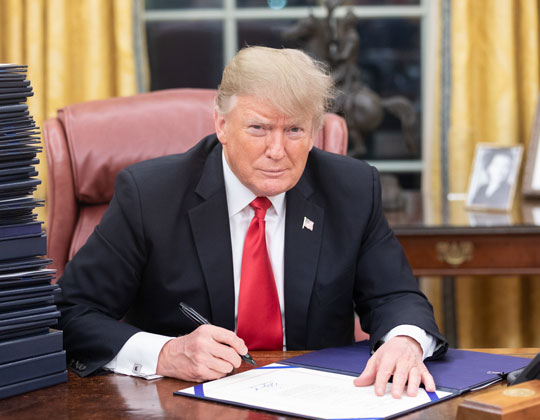
Trump Tightens Cuba Sanctions: So, Donald Trump just dropped another round of sanctions on Cuba. And he’s not messing around this time — he’s going straight for the jugular: energy, mining, and finance. Unsurprisingly, this has kicked off a fresh wave of debate around the World. Some people are applauding. Others are asking: “Is this really going to help anyone?”
Let’s break down what’s actually happening.
What’s Being Targeted — and Why It Hurts
Energy first. Cuba’s energy situation is already shaky. Blackouts aren’t uncommon. Now? It’s about to get worse. The new restrictions make it harder for the island to import fuel and keep the lights on.
Then there’s mining. This is one of Cuba’s few reliable sources of export cash. Nickel, mostly. Tighten the screws on mining, and you basically choke off one of their only lifelines to foreign money.
And finance — that’s the real killer. Limiting Cuba’s access to international banks and transactions means even basic trade gets messy. Want to buy food or medicine from a third country? Good luck routing the payment.
So yeah. This isn’t symbolic. It’s meant to hurt.
Old Policy, New Wrapper
Look, the US has had some form of sanctions or embargo against Cuba for over 60 years. That’s not an exaggeration — six decades. Every president tweaks it one way or the other. Obama loosened things up a bit. Travel got easier. Some trade opened. Then Trump came in and rolled most of that back.
This latest move? Just more of the same hardline approach. Nothing revolutionary. Just… relentless.
How Cuba Responds (Spoiler: They’re Used to It)
The Cuban government did exactly what you’d expect — they condemned the sanctions, called them unfair, and pointed out that they hurt regular people more than politicians. And honestly? They’ve got a point.
But here’s the thing: Cuba is still standing. After decades of pressure, they’ve learned to adapt. They’ve built trade relationships with other countries — China, Russia, Venezuela, Turkey. They’ve found workarounds. It’s not pretty, and the Economy is definitely limping, but they haven’t collapsed. Love them or hate them, you’ve got to admit they’re stubborn.
What the Rest of the World Thinks (Especially the Global South)
This is where it gets interesting. A lot of countries — especially in the Global South — are criticizing the move. Their argument is simple: unilateral sanctions like these often violate international law, and they almost always hurt civilians more than governments.
The BRICS nations (Brazil, Russia, India, China, South Africa, and friends) have consistently said the same thing: dialogue, not isolation. Sanctions don’t work. They just create resentment.
Many of these countries see the US policy toward Cuba as less about human rights and more about old-school geopolitics — punishing a small country that dared to say “no thanks” to American dominance.
Human Rights or Just Politics?
The US has always framed these sanctions as a push for democracy and human rights in Cuba. Fair enough — Cuba isn’t exactly a free-speech paradise. But critics say that’s just the public excuse. The real reason? Cuba sits 90 miles off Florida and has refused to play ball for over half a century. That’s the real crime, in Washington’s eyes.
Neither side is fully wrong. Neither is fully right. But the debate isn’t going away anytime soon.
Who Actually Pays the Price?
Let’s be honest for a second. When you tighten sanctions like this, it’s not Fidel Castro’s ghost or some general in Havana who feels it first. It’s ordinary Cubans. Moms trying to feed their kids. Grandparents who can’t get their medicine. Factory workers facing layoffs because the mining industry can’t sell its nickel.
Humanitarian groups have been saying this for years: sanctions often end up punishing the very people they’re supposed to help. You want political change? Cutting off a country’s ability to buy food and fuel usually just makes life miserable for everyone — without moving the political needle.
What Happens Next?
Honestly? Who knows. US-Cuba policy has always been a pendulum. It swings hard one way, then back the other. Trump is pushing pressure. If a future administration decides to try engagement again, things could loosen up. But for now?
For now, Cuba is bracing for another round of pain. And the rest of the world is watching — some clapping, some shaking their heads.
One thing’s certain: this debate is far from over.