
Growing Fuel Shortages and Refinery Challenges Push Russia to Import Fuel Despite Its Status as a Major Energy Producer
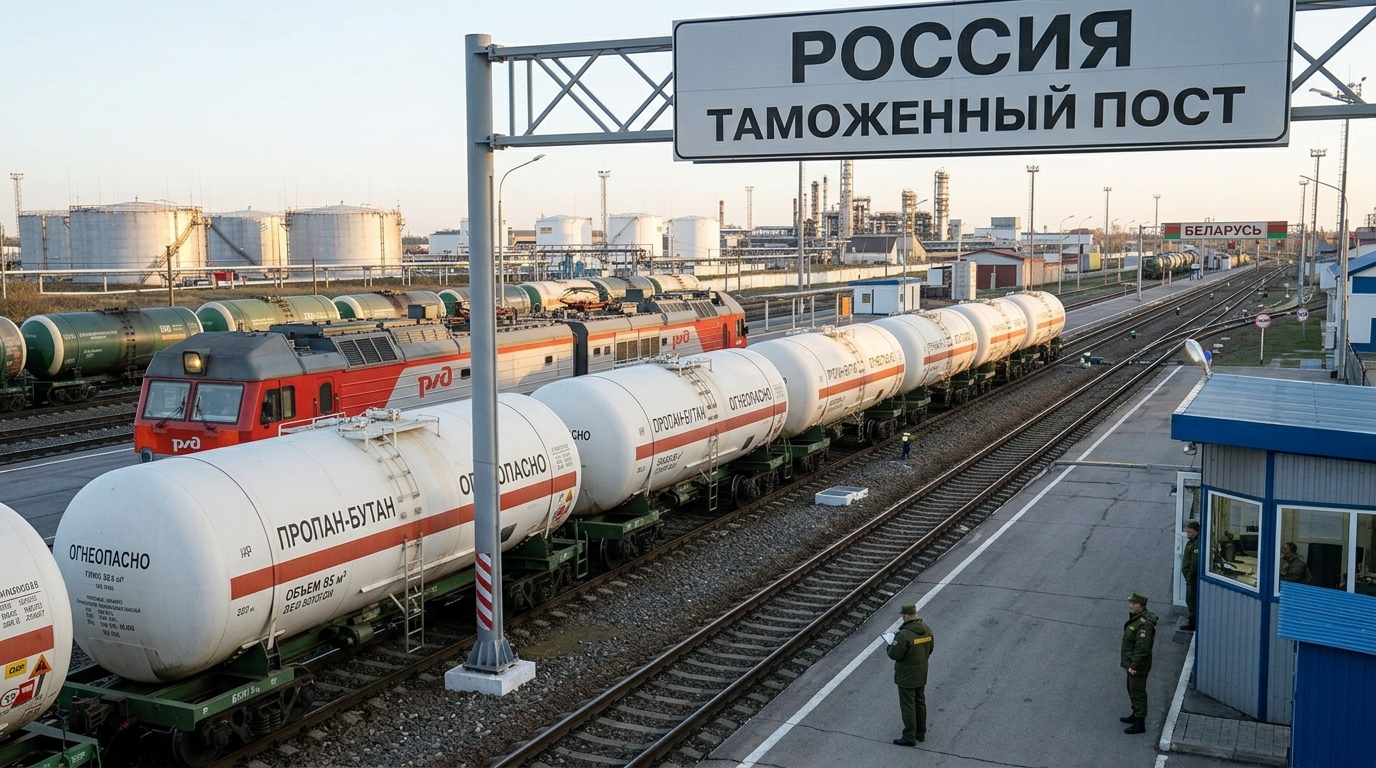
Russia Begins Fuel Imports : Russia has reportedly started importing fuel to meet domestic demand, marking a significant development in the ongoing economic impact of the war in Ukraine. The move comes as Ukraine’s sanctions strategy and repeated attacks on Russian energy infrastructure continue to place pressure on the country’s fuel production capabilities.
For decades, Russia has been recognized as one of the World’s largest producers and exporters of oil and petroleum products. However, recent reports suggest that growing challenges within the country’s energy sector have forced authorities and businesses to seek fuel supplies from external sources to stabilize the domestic market.
The development is being closely monitored by economists, energy analysts, and governments worldwide because it highlights the increasing strain on Russia’s fuel industry. The situation has also raised questions about the long-term effectiveness of sanctions and their impact on Moscow’s ability to sustain energy production during the ongoing conflict.
Russia Turns to Fuel Imports
According to recent reports, Russia has begun importing gasoline and other fuel products to address supply concerns within the country. While Russia remains a major oil producer, refining capacity has faced increasing disruptions due to a combination of sanctions, infrastructure damage, and logistical challenges.
The decision to import fuel is particularly noteworthy because Russia has traditionally been a net exporter of petroleum products. In normal circumstances, the country produces enough fuel not only for domestic consumption but also for international markets.
Analysts say the recent shift demonstrates how difficult it has become for some Russian refineries to maintain normal production levels. The emergence of Russia fuel imports as a key issue reflects broader challenges facing the country’s energy sector.
Impact of Ukrainian Sanctions and Attacks
Ukraine has consistently targeted Russia’s economic and industrial capabilities through sanctions efforts and military operations aimed at strategic infrastructure.
In recent months, several Russian oil refineries have reportedly faced disruptions linked to drone attacks and security concerns. These incidents have affected refining operations and reduced the availability of fuel products within the country.
Officials in Kyiv argue that targeting energy infrastructure is part of a broader strategy to weaken Russia’s ability to support military operations. While Russia has sought to repair damaged facilities and maintain production, repeated disruptions have reportedly increased pressure on the domestic fuel market.
Experts believe the growing trend of Russia fuel imports indicates that these measures are having a measurable effect on parts of the country’s energy industry.
Challenges Facing the Energy Sector
Russia’s energy sector remains one of the largest contributors to the national Economy. Oil and gas exports continue to generate substantial revenue despite international restrictions imposed since the start of the conflict.
However, sanctions have made it more difficult for Russian companies to access certain technologies, equipment, and financial services. These restrictions have complicated maintenance efforts and increased operational costs for some energy facilities.
In addition, transportation and supply chain challenges have created further obstacles for fuel distribution across the country’s vast territory.
Industry observers note that while Russia continues to produce large quantities of Crude Oil, refining that oil into gasoline, diesel, and other petroleum products has become increasingly complex under current conditions.
As a result, Russia fuel imports have emerged as a temporary solution to help maintain stable supplies and avoid shortages in key regions.
Domestic Market Concerns
Fuel availability is a critical issue for any economy, particularly one that depends heavily on transportation, industrial activity, and agriculture.
Russian authorities have taken several steps in recent years to stabilize domestic fuel prices and prevent supply disruptions. These measures have included export restrictions, subsidies, and regulatory interventions aimed at ensuring adequate fuel availability.
Despite these efforts, reports of fuel imports suggest that maintaining market stability has become more challenging.
Energy analysts warn that prolonged refinery disruptions could place additional pressure on fuel prices and increase operational costs for businesses across multiple sectors. Consumers could also be affected if supply constraints continue for an extended period.
The appearance of Russia fuel imports in a country known for its vast energy resources has attracted attention from global markets and policy experts alike.
Global Implications
The latest developments could have implications beyond Russia’s borders. The global energy market remains sensitive to changes in production, refining capacity, and geopolitical risks.
Any significant disruption within one of the world’s largest energy-producing nations can influence investor sentiment and market expectations. While global oil supplies remain relatively stable, analysts continue to monitor developments in Russia’s energy infrastructure.
Some experts believe the situation demonstrates how modern sanctions can affect specific parts of an economy without completely halting overall production. Others argue that Russia has shown resilience by adapting to restrictions and finding alternative solutions.
Regardless of differing views, the increase in Russia fuel imports has become an important indicator of the ongoing economic consequences of the conflict.
What Happens Next?
Looking ahead, much will depend on Russia’s ability to restore and maintain refinery operations while adapting to continuing sanctions and security challenges.
The government is expected to prioritize fuel supply stability, particularly during periods of high seasonal demand. Additional investments in refinery repairs and infrastructure protection may also be required to prevent further disruptions.
Meanwhile, Ukraine is likely to continue pursuing strategies aimed at increasing economic pressure on Russia’s energy sector. As the conflict continues, both sides remain engaged in efforts that extend far beyond the battlefield.
For now, Russia’s decision to import fuel represents a notable shift for one of the world’s largest energy producers. It underscores the growing complexity of the economic struggle surrounding the war and highlights the far-reaching impact of sanctions, infrastructure challenges, and geopolitical tensions on the global energy landscape.