Statement by Islamic Revolutionary Guard Corps signals potential escalation in one of the World’s most critical oil transit routes
Breaking Update
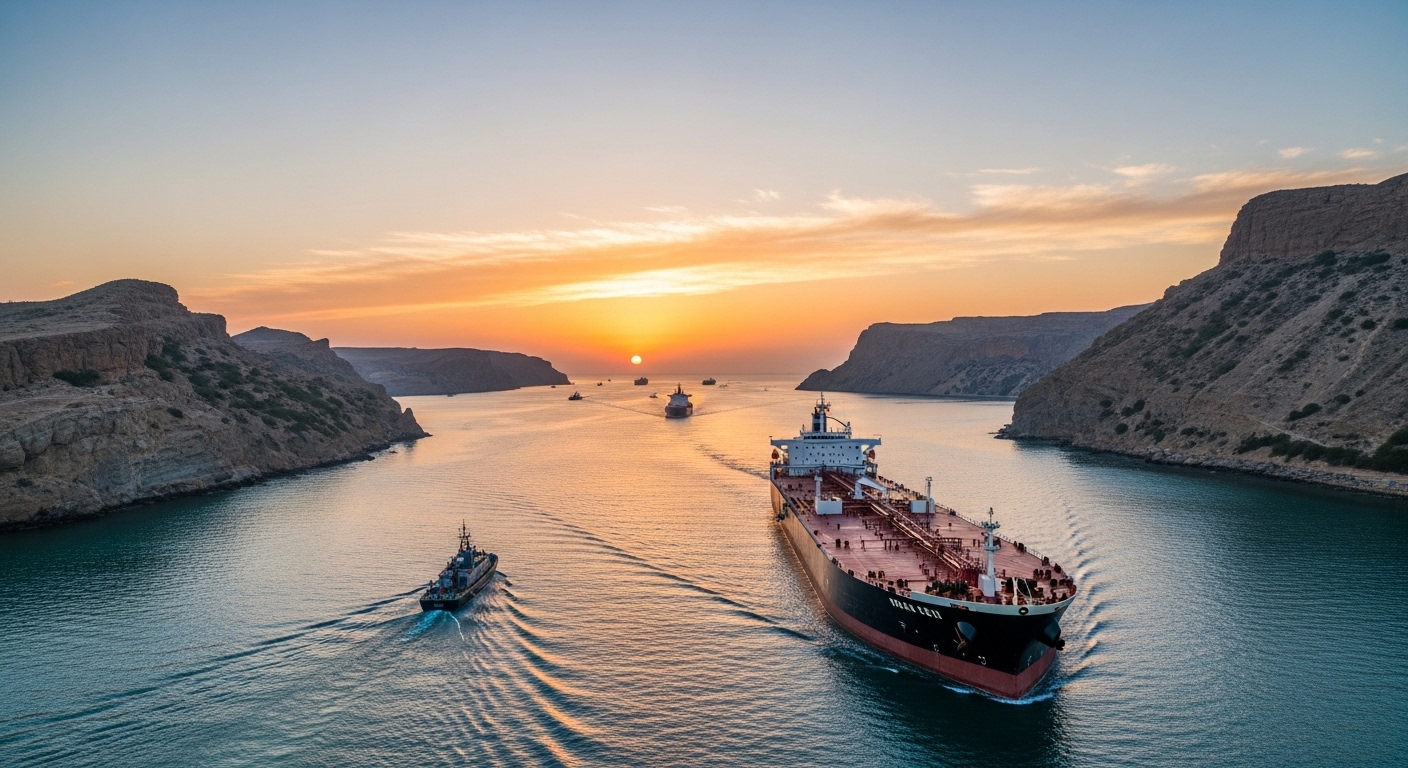
Iran’s powerful military wing, the Islamic Revolutionary Guard Corps (IRGC), has warned that the Strait of Hormuz could be closed if what it calls a U.S. “blockade” is not lifted.
The statement marks a sharp escalation in rhetoric and raises concerns about global energy security and maritime stability.
Why the Strait of Hormuz Matters
The Strait of Hormuz is one of the most vital chokepoints in the world:
- Roughly 20% of global oil supply passes through it
- It connects the Persian Gulf to international waters
- Major exporters like Saudi Arabia, Iraq, and the UAE rely on it
Any disruption could have immediate global economic consequences, including spikes in oil prices.
What the IRGC Said
The Islamic Revolutionary Guard Corps indicated that:
- The strait may be shut until U.S. pressure measures are lifted
- Iran is prepared to respond to perceived economic or military threats
- Control over the waterway remains a strategic leverage point
U.S. Position
The United States has historically maintained a strong naval presence in the region to ensure freedom of navigation. Washington has consistently warned that any attempt to block the strait would be met with a firm response.
Global Implications
A closure—or even the threat of one—could:
- Disrupt global oil and gas supply chains
- Trigger sharp increases in energy prices
- Increase the risk of military confrontation
- Impact economies worldwide, including Asia and Europe
Bottom Line
The warning from the Islamic Revolutionary Guard Corps highlights the fragile state of geopolitics in the Gulf region. While no closure has occurred yet, the situation remains highly volatile and closely watched by global markets and governments.