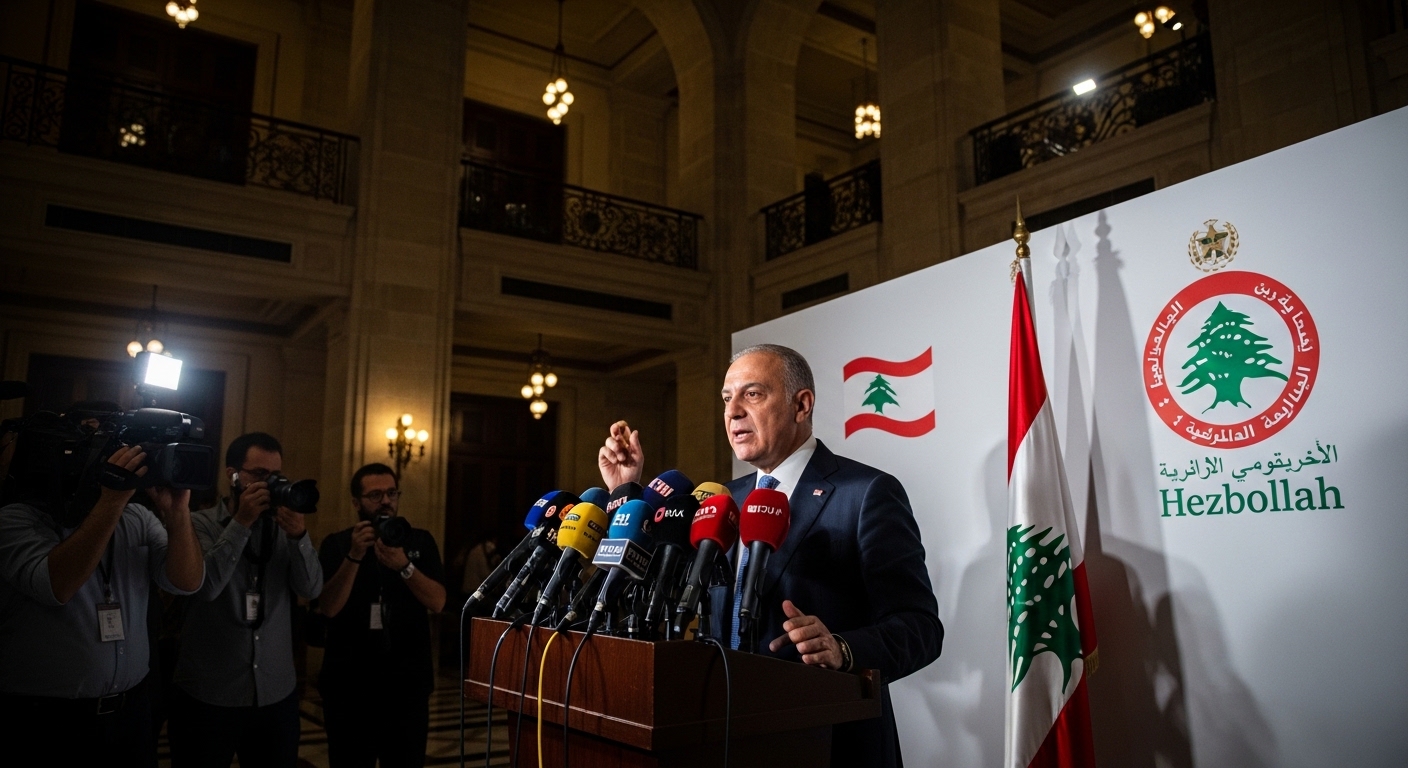
Hezbollah calls for ceasefire, Israeli withdrawal, prisoner release, and reconstruction support
Introduction
In a significant development amid ongoing tensions, the leadership of Hezbollah has presented a roadmap for de-escalation in Lebanon. The proposal outlines several key conditions aimed at restoring stability, addressing humanitarian concerns, and paving the way for long-term peace.
The announcement comes at a time when the region continues to face uncertainty due to cross-border hostilities and political friction.
Key Demands for De-escalation
According to the statement, the proposed “next steps” include:
- A permanent cessation of all hostile actions across Lebanon
- Withdrawal of Israeli forces from what are described as occupied territories
- Release of prisoners held during the conflict
- Return of displaced citizens to their homes, villages, and towns
- A comprehensive reconstruction effort supported by international and Arab partners
These points reflect both immediate security concerns and longer-term recovery goals.Focus on Ceasefire and Stability
The call for a permanent ceasefire is central to the proposal. Continued hostilities have led to displacement, infrastructure damage, and economic strain across parts of Lebanon.
By emphasizing a full halt to violence, Hezbollah aims to create conditions for dialogue and humanitarian relief. However, achieving such a ceasefire would require cooperation from multiple parties involved in the conflict.
Humanitarian and Civilian Concerns
The return of displaced civilians is another major priority. Thousands of people have been forced to leave their homes due to ongoing tensions. Ensuring safe return conditions is essential for restoring normal life.
Additionally, reconstruction efforts are expected to focus on:
- Rebuilding damaged homes and infrastructure
- Restoring essential services such as electricity and water
- Reviving local economies
International and regional support will likely play a key role in these efforts.
Regional and International Implications
The proposal also highlights the importance of international involvement. Calls for Arab and global support suggest that resolving the crisis will require broader diplomatic engagement.
The situation in Lebanon remains closely tied to wider regional dynamics, making any agreement part of a larger geopolitical picture.
Challenges Ahead
While the outlined steps present a pathway toward de-escalation, several challenges remain:
- Deep political divisions
- Security concerns on both sides
- Complex regional alliances
Any progress will depend on sustained negotiations and mutual commitments.
Conclusion
The roadmap proposed by Hezbollah offers a structured approach to reducing tensions in Lebanon. By focusing on ceasefire, withdrawal, humanitarian relief, and reconstruction, it addresses both immediate and long-term needs.
However, the path to peace remains uncertain, and the coming weeks will be crucial in determining whether these proposals can translate into meaningful action.