
Kyiv Targets Key Energy Infrastructure While President Zelenskyy Says Russia Must Move Toward Diplomacy
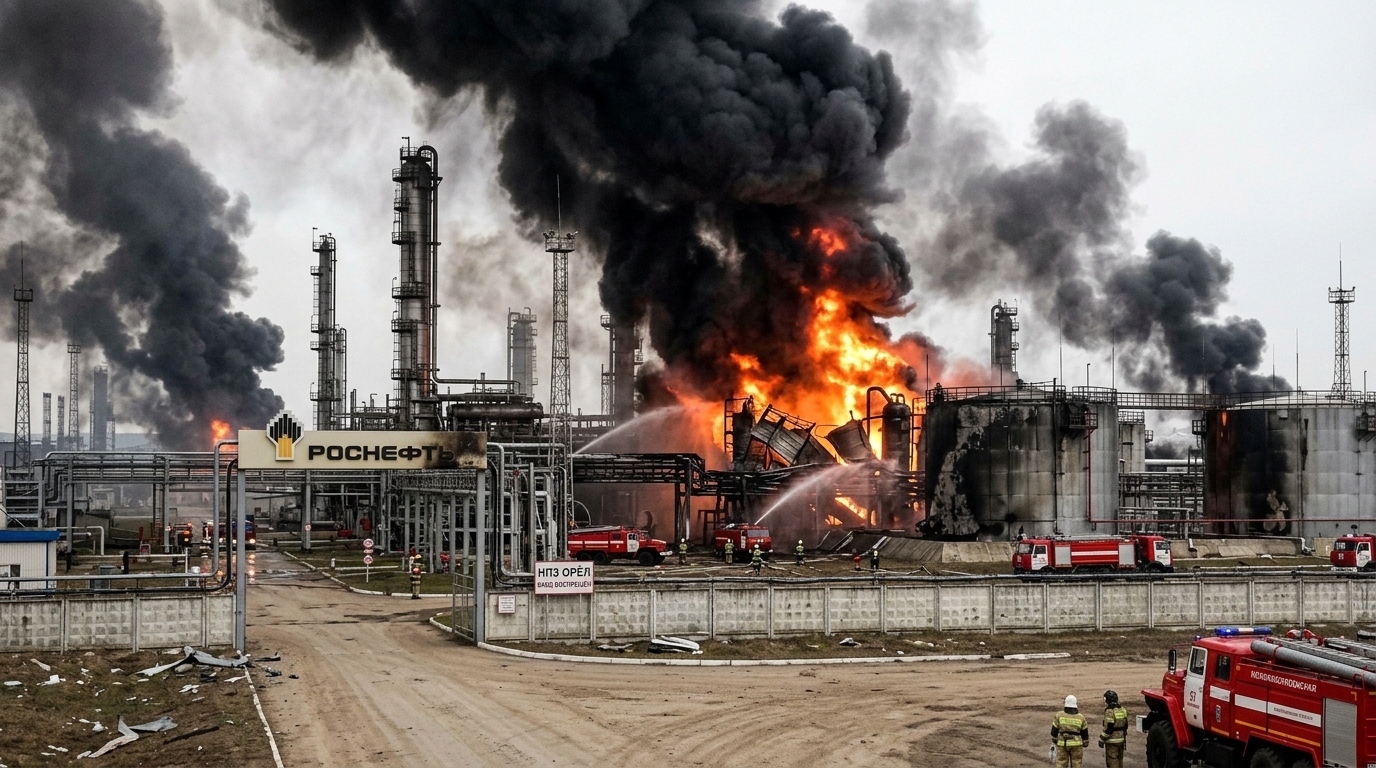
Ukraine has launched another significant strike against Russia’s energy infrastructure, targeting a major oil refinery deep inside Russian territory as President Volodymyr Zelenskyy continues a campaign aimed at weakening Moscow’s ability to sustain its war effort.
According to Ukrainian officials, the latest operation struck the Ufa oil refinery, one of Russia’s major producers of fuels and lubricants. The facility is located more than 1,000 kilometers from the Ukrainian border, demonstrating Kyiv’s growing ability to conduct long-range attacks against strategic targets far from the front lines.
The development comes amid an intensifying Ukrainian strategy focused on disrupting Russian fuel production, logistics, and military supply chains. The latest attack has once again drawn international attention to the ongoing conflict and the evolving tactics being used by both sides.
The reported Ukraine Strikes Russian Oil Refinery operation is part of a broader effort by Kyiv to increase pressure on Moscow while seeking stronger diplomatic and military support from international partners.
Ufa Refinery Targeted for Second Time
President Zelenskyy confirmed that Ukrainian forces struck the Ufa refinery for the second time within a week.
The refinery is considered one of Russia’s important energy facilities and plays a role in supplying products used by both civilian and industrial sectors. Ukrainian officials described the strike as a deliberate effort to target infrastructure that supports Russia’s military operations.
In addition to the refinery, Ukrainian forces reportedly targeted a missile-component manufacturing facility in Russia’s Penza region. Ukrainian authorities said these operations are designed to reduce Russia’s capacity to continue large-scale military activities.
The latest Ukraine Strikes Russian Oil Refinery action follows months of similar operations aimed at energy facilities, storage depots, and military-industrial sites across Russia.
Zelenskyy Defends Long-Range Strike Strategy
President Zelenskyy has repeatedly defended attacks on Russian energy infrastructure, arguing that they are a direct response to ongoing Russian missile and drone strikes against Ukrainian cities.
In recent statements, Zelenskyy said Ukraine would continue targeting facilities that contribute to Russia’s war effort. He described the campaign as a necessary measure to influence Russian decision-making and push Moscow toward diplomacy.
According to Ukrainian officials, long-range drone technology has become an increasingly important part of the country’s military strategy. Advances in domestic drone production have enabled Ukrainian forces to reach targets located hundreds or even thousands of kilometers from the battlefield.
The continuing Ukraine Strikes Russian Oil Refinery campaign reflects Kyiv’s belief that economic and logistical pressure can complement military operations along the front lines.
Russian Energy Infrastructure Under Pressure
Since the beginning of 2026, Ukraine has significantly expanded attacks on Russian oil facilities.
Multiple refineries, fuel depots, pumping stations, and transportation hubs have been struck in recent months. Analysts say these attacks are intended to reduce fuel availability for Russian military operations while also creating economic challenges inside Russia.
Reports indicate that repeated attacks have forced temporary shutdowns at several facilities and contributed to fuel shortages in some regions. Russian authorities have acknowledged challenges in fuel distribution, although officials insist that supplies remain under control.
Industry experts note that repairing damaged refining infrastructure can be difficult, particularly when specialized equipment is affected and replacement components are subject to international sanctions.
As a result, each Ukraine Strikes Russian Oil Refinery operation has the potential to create longer-term effects beyond the immediate damage caused by the attacks.
Moscow Reports Large-Scale Drone Interceptions
Russian authorities reported extensive air Defense activity during the latest wave of attacks.
According to Russia’s Ministry of Defense, hundreds of Ukrainian drones were intercepted across multiple regions. Russian officials stated that air defense systems successfully destroyed many incoming aircraft before they reached their intended targets.
Despite those claims, images and videos circulating on social media showed fires and smoke rising from several industrial sites, suggesting that at least some drones successfully penetrated Russian defenses.
Military analysts say the continued ability of Ukrainian drones to reach strategic targets demonstrates both the scale of Kyiv’s drone program and the challenges facing Russian air defense networks.
Impact on the Wider War
Experts believe attacks against energy infrastructure serve several purposes.
Beyond reducing fuel supplies, such operations can force Russia to divert military resources toward protecting facilities far from the front line. Air defense systems, personnel, and surveillance assets must be distributed across a much larger area, potentially reducing their availability elsewhere.
The strategy also carries symbolic value. Strikes deep inside Russian territory demonstrate Ukraine’s ability to project force despite being engaged in a defensive war.
At the same time, Russia continues launching missile and drone attacks against Ukrainian infrastructure, ensuring that both sides remain engaged in an increasingly technological conflict centered around long-range weapons systems.
International Attention Remains Focused on the Conflict
The latest developments come as Ukraine seeks continued support from Western allies.
European governments and NATO partners have expanded military assistance programs, including air defense systems, training initiatives, and cooperation on advanced technologies. Ukrainian leaders argue that sustained international support remains essential for defending the country and maintaining pressure on Russia.
Meanwhile, diplomatic efforts to end the conflict have produced limited progress, with both sides maintaining sharply different positions regarding territorial control and future security arrangements.
Looking Ahead
The latest Ukraine Strikes Russian Oil Refinery operation highlights how the war continues to evolve beyond traditional battlefield engagements.
By targeting strategic energy facilities deep inside Russia, Ukraine is attempting to weaken the infrastructure that supports Moscow’s military campaign while increasing economic and logistical pressure on the Kremlin. At the same time, Russia continues to rely on air defenses and retaliatory strikes as it seeks to maintain operational momentum.
As the conflict enters another critical phase, energy infrastructure is likely to remain a central target in the ongoing struggle between Kyiv and Moscow, with consequences that extend far beyond the battlefield itself.