US move comes after failed talks, Iran sets conditions for ships passing through key oil route
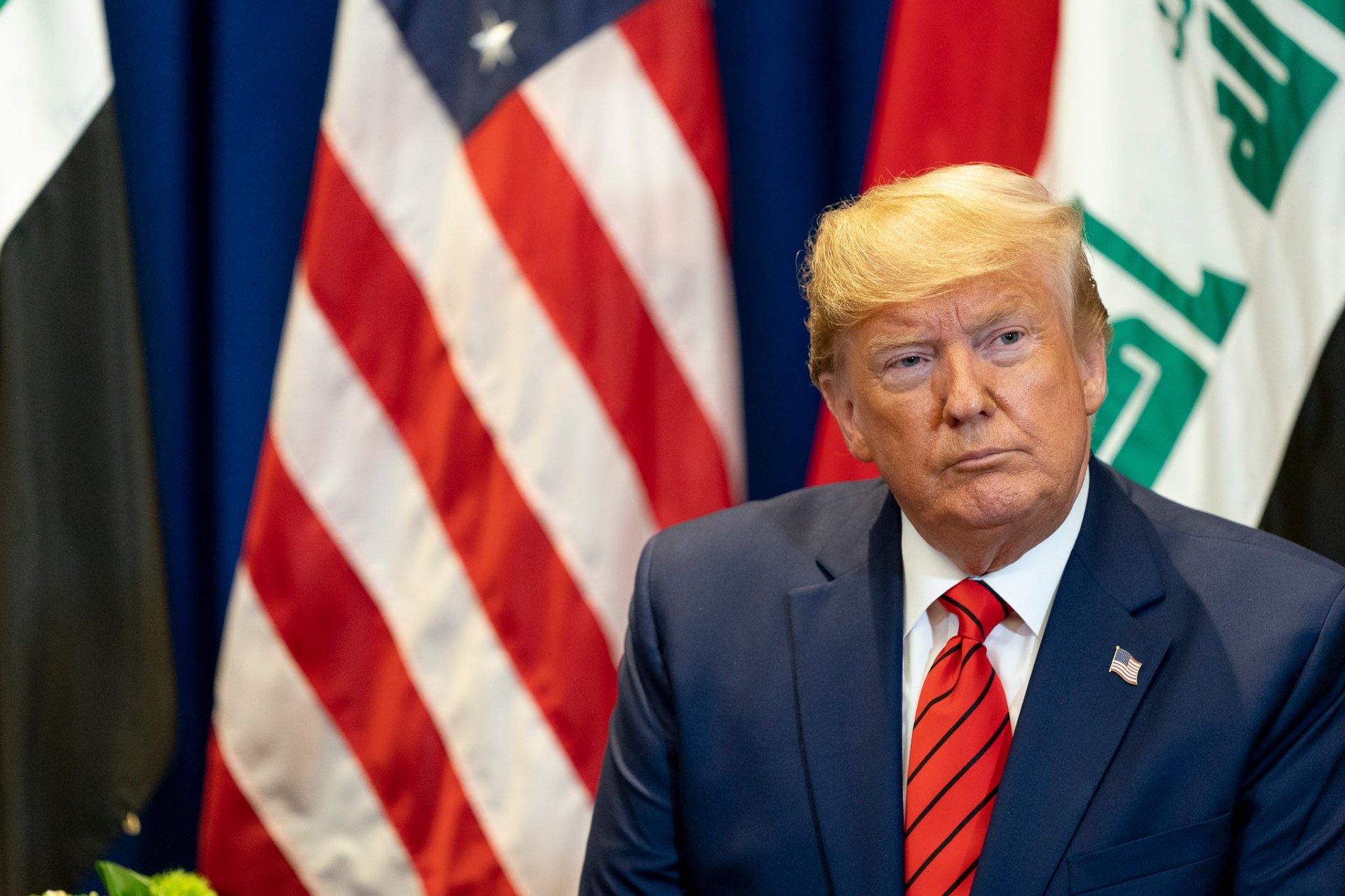
Tensions in the Middle East have sharply escalated after Donald Trump announced a U.S. naval “blockade” targeting Iran in the strategically vital Strait of Hormuz. The announcement came early Sunday, just hours after diplomatic talks between Washington and Tehran failed to reach an agreement.
According to reports, the U.S. decision follows nearly 21 hours of negotiations led by Vice President JD Vance, which ended without any breakthrough. The failure of these talks has raised concerns of further escalation in an already volatile region.
US declares strict control over key shipping route
President Trump stated that the U.S. Navy would enforce strict measures in the Strait of Hormuz, one of the World’s most critical maritime chokepoints. The route is essential for global oil shipments, with a significant portion of the world’s energy supply passing through it daily.
The proposed blockade aims to restrict Iranian influence and ensure what U.S. officials describe as “secure and regulated passage” for international shipping. However, the move has sparked global concern over its potential impact on trade and energy markets.
Iran responds with conditions for passage
In response, Iran has not fully closed the waterway but has introduced strict conditions for vessels passing through. Reports suggest that ships may be allowed to transit only if they meet specific requirements, including the payment of a toll reportedly in Chinese yuan.
This development adds a new layer of complexity to the crisis, as it introduces economic and geopolitical elements involving global currencies and trade alignments.
Global concerns over oil supply and trade
The Strait of Hormuz remains a lifeline for global energy markets. Any disruption or restriction in this region can lead to immediate fluctuations in Oil Prices and create uncertainty in international trade.
Countries heavily dependent on oil imports are closely monitoring the situation. Analysts warn that continued escalation between the United States and Iran could trigger a wider economic impact, affecting fuel prices, inflation, and supply chains worldwide.
Diplomatic uncertainty grows
The breakdown of talks signals a challenging path ahead for diplomatic resolution. While both sides have taken firm positions, international observers are calling for restraint to prevent further escalation.
The situation also draws attention from global powers, including China, which has already urged both sides to de-escalate tensions and return to dialogue.
Conclusion
The announcement of a U.S. blockade in the Strait of Hormuz marks a significant turning point in the ongoing standoff with Iran. With negotiations stalled and new restrictions emerging, the risk of disruption to global oil supplies is increasing.
As the situation develops, the world will be watching closely to see whether diplomacy can prevail or if tensions will continue to rise in one of the most critical regions for global trade and energy security.