
NATO’s Eastern Members Warn of Growing Regional Tensions Amid Concerns Over Potential Russian Actions
European security concerns are once again in focus after senior officials and Defense experts warned about the possibility of increased Russian pressure on NATO’s eastern flank. The discussion has intensified following reports that leaders in the Baltic states and Poland are taking additional precautions against what they describe as a potential Russia Provocation aimed at testing Western unity and regional defenses.
The warnings come at a time when the war in Ukraine continues to reshape Europe’s security landscape. While there is no indication of an imminent military confrontation between Russia and NATO members, officials in countries bordering Russia and Belarus say they must prepare for a range of scenarios, including hybrid threats, cyberattacks, border incidents, and other forms of pressure.
The growing debate reflects broader concerns about how the conflict in Ukraine could influence security dynamics across Eastern Europe in the years ahead.
Baltic Nations Voice Concerns
The three Baltic states — Estonia, Latvia, and Lithuania — have become some of the strongest supporters of Ukraine since Russia launched its full-scale invasion in 2022.
Government leaders in the region have repeatedly argued that Russia’s actions in Ukraine demonstrate the importance of maintaining strong defense capabilities and close cooperation within NATO.
Officials from these countries have recently emphasized the need for vigilance, warning that future Russia Provocation efforts could take forms other than traditional military attacks. Experts point to disinformation campaigns, cyber operations, border pressure, and attempts to create political instability as potential challenges.
The Baltic region’s geographic position makes it strategically important. Bordering Russia and located near key military routes, these nations view regional security developments with particular attention.
Poland Increases Military Readiness
Poland has also emerged as a leading voice on European security issues.
Over the past several years, Warsaw has significantly increased defense spending, expanded its armed forces, and invested heavily in modern military equipment. Polish leaders argue that a strong defense posture is necessary to deter any potential threats.
The possibility of a Russia Provocation has been discussed frequently by Polish officials, who stress that NATO’s eastern members must remain prepared for unexpected developments.
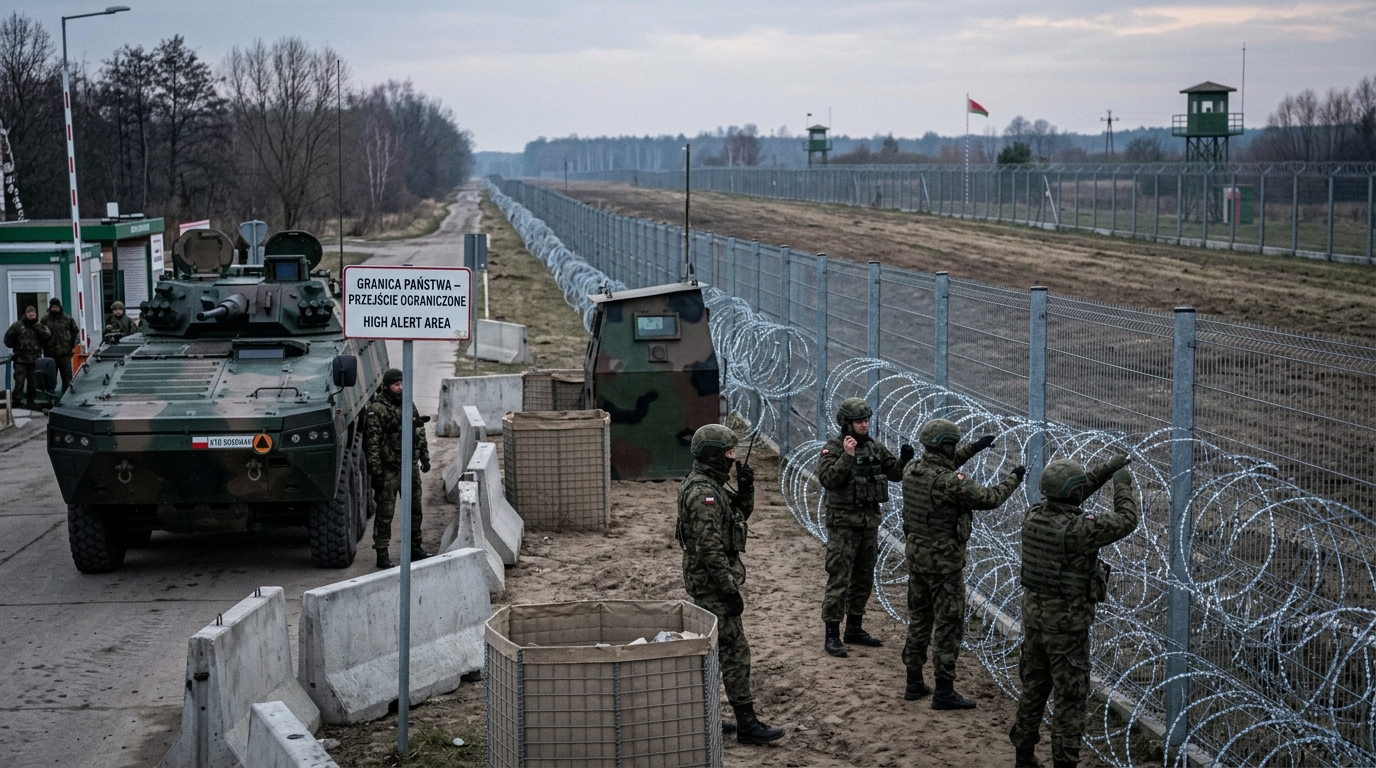
Military exercises, border security enhancements, and infrastructure improvements have become central components of Poland’s national security strategy. Officials say these measures are designed to strengthen deterrence and reassure citizens amid an uncertain security environment.
Poland’s role as a major transit hub for military and humanitarian support to Ukraine has further increased its strategic importance within the alliance.
NATO’s Eastern Flank Remains a Priority
Since the start of the Ukraine war, NATO has expanded its military presence across Eastern Europe.
Additional troops, air defense systems, and multinational battlegroups have been deployed to countries bordering Russia and Belarus. Alliance leaders say these deployments are defensive in nature and intended to prevent any miscalculation that could threaten member states.
Security experts note that concerns about a possible Russia Provocation have encouraged NATO to accelerate efforts aimed at improving readiness and response capabilities.
The alliance has also increased military exercises and strengthened coordination among member nations. These initiatives are intended to demonstrate collective commitment to regional defense and stability.
NATO officials continue to emphasize that the alliance does not seek confrontation but remains prepared to defend all member states if necessary.
Hybrid Threats Become a Major Concern
One of the key themes emerging from recent discussions is the growing focus on hybrid warfare.
Unlike conventional military operations, hybrid threats can include cyberattacks, misinformation campaigns, economic pressure, infrastructure disruptions, and other tactics designed to create instability without triggering a direct military response.
Analysts believe any future Russia Provocation could involve a combination of these methods rather than a traditional military assault.
European governments have increasingly invested in cybersecurity programs, intelligence cooperation, and resilience measures aimed at protecting critical infrastructure.
The rise of hybrid threats has forced policymakers to rethink traditional security strategies and expand defenses beyond conventional military capabilities.
Impact of the Ukraine War
The ongoing conflict in Ukraine continues to influence security planning across Europe.
Military analysts argue that the war has provided valuable lessons about modern warfare, logistics, defense preparedness, and the importance of international alliances.
For countries such as Poland, Estonia, Latvia, and Lithuania, developments in Ukraine are viewed as directly relevant to their own security considerations.
Many officials believe the possibility of a Russia Provocation cannot be separated from broader regional dynamics created by the war. As long as the conflict continues, governments across Eastern Europe are expected to maintain heightened levels of preparedness.
At the same time, leaders have emphasized the importance of avoiding unnecessary escalation while supporting diplomatic efforts whenever possible.
Diplomatic and Political Dimensions
Despite security concerns, European leaders continue to pursue diplomatic channels aimed at reducing tensions.
International organizations and governments have stressed the need for dialogue, crisis management mechanisms, and communication between major powers to prevent misunderstandings.
Political experts note that maintaining unity among NATO members remains one of the alliance’s most important objectives. Any perceived attempt to create divisions could become a significant strategic issue.
The discussion surrounding a potential Russia Provocation therefore extends beyond military planning and includes political, economic, and diplomatic considerations.
Maintaining public confidence, protecting democratic institutions, and countering disinformation have become key priorities for governments across the region.
What Happens Next?
Looking ahead, security experts expect Eastern European countries to continue strengthening defense capabilities and expanding cooperation with NATO partners.
Military modernization programs, infrastructure projects, and joint exercises are likely to remain central elements of regional security strategies.
At the same time, policymakers will continue monitoring developments related to the war in Ukraine and broader Russia-West relations.
While there is no consensus that a direct confrontation is likely, officials in the Baltic states and Poland argue that preparation remains essential in an increasingly uncertain environment.
For now, concerns surrounding a possible Russia Provocation are shaping defense planning across Eastern Europe. As geopolitical tensions continue to evolve, governments throughout the region are working to ensure they remain ready for a wide range of potential challenges while preserving stability and security for their citizens.