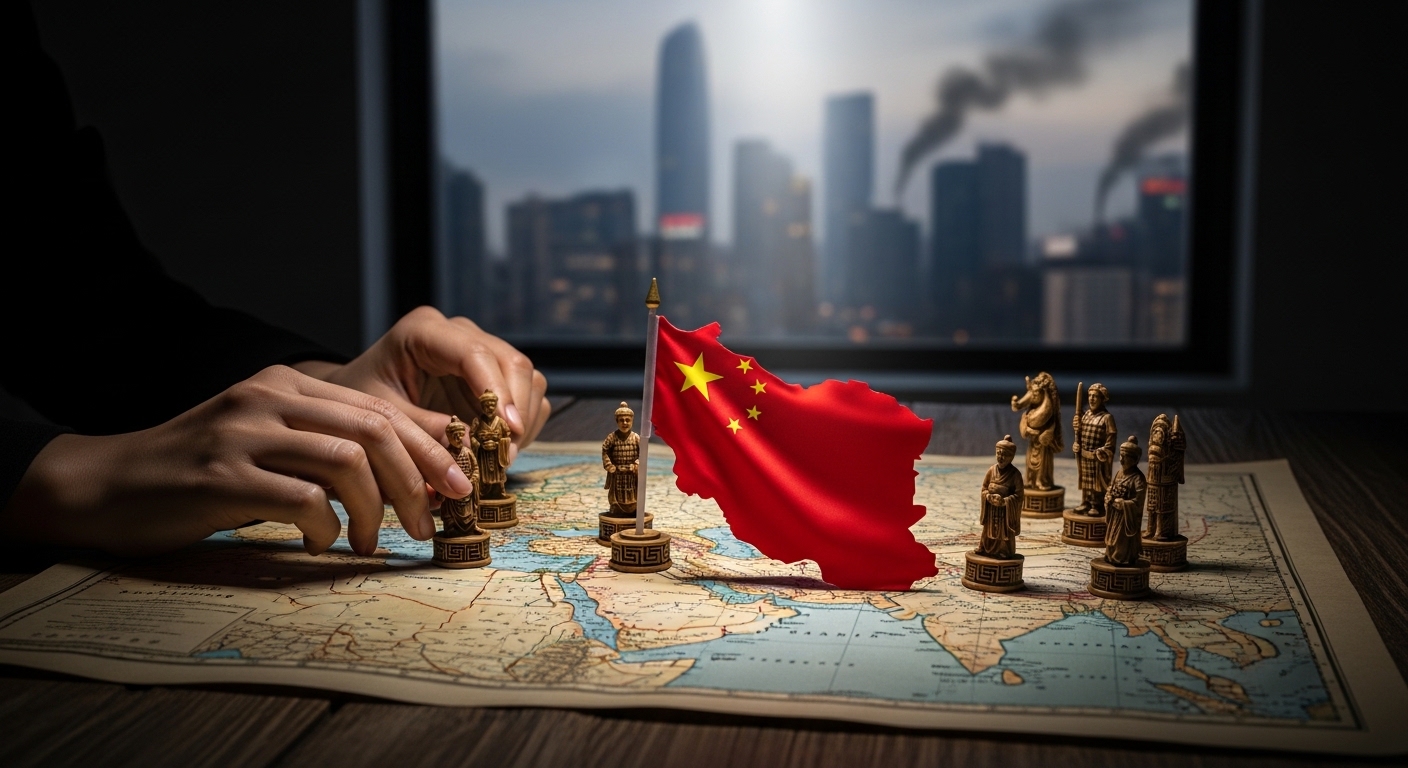
Growing curiosity in China about Iran’s heritage and history reflects the complex intersection of culture, conflict, and international relations
Introduction
In recent months, reports suggest that public interest in Iran has been rising in China, particularly in relation to its rich cultural and historical heritage. This shift comes amid heightened geopolitical tensions involving Iran, the United States, and Israel. While conflicts often dominate headlines for their political and military implications, they also tend to draw global attention to the cultural identity of the nations involved.
In China, this phenomenon appears to be unfolding through increased engagement with Iranian history, art, and civilizational legacy. From museum exhibitions to online discussions, Iranian culture is gaining visibility among Chinese audiences, highlighting how global crises can influence cultural curiosity and awareness.
Historical Ties Between China and Iran
The connection between China and Iran dates back thousands of years, primarily through the ancient Silk Road. This vast trade network facilitated not only the exchange of goods but also ideas, art, and traditions between civilizations.
Iran—historically known as Persia—played a crucial role as a bridge between East and West. Chinese silk, ceramics, and inventions traveled westward, while Persian art, architecture, and literature influenced regions across Asia.
Today, these shared historical roots continue to shape mutual cultural interest. For many Chinese citizens, Iran represents a civilization with deep historical significance, comparable in some ways to China’s own ancient heritage.
Cultural Curiosity in Times of Conflict
Conflicts often have an unintended consequence: they draw global attention to the affected country’s cultural identity. As News spreads about damage to historical sites or threats to cultural institutions, people around the World become more curious about what might be lost.
In China, this has translated into:
- Increased attendance at exhibitions featuring Iranian artifacts
- Growing online discussions about Persian history and architecture
- Academic and media interest in Iran’s cultural contributions
Museums showcasing Iranian relics have reportedly seen a surge in visitors, many of whom express a desire to understand and preserve knowledge about a civilization under threat.
Reports of Damage to Cultural Heritage
Amid ongoing tensions, there have been reports that several cultural and historical sites in Iran have been affected by military actions. These include ancient structures, museums, and educational institutions that hold immense historical value.
However, it is important to note:
- Claims about the intentional targeting of cultural heritage are disputed
- Different sides in the conflict offer contrasting narratives
- Independent verification of certain incidents remains challenging
Despite these uncertainties, the perception that cultural heritage may be at risk has contributed to rising global concern—and curiosity.
Role of Media and Digital Platforms
Chinese social media platforms and news outlets have played a significant role in shaping public perception. Coverage of Iran-related developments, including cultural stories, has helped amplify interest.
Trending topics include:
- Ancient Persian empires and their achievements
- Iranian architecture and UNESCO heritage sites
- The impact of war on cultural preservation
Short videos, documentaries, and educational content have made Iranian culture more accessible to younger audiences in China, further fueling engagement.
Geopolitical Context and Strategic Interests
Beyond cultural curiosity, geopolitical factors also play a role in China’s growing interest in Iran. The two countries share strategic ties in areas such as:
- Energy cooperation
- Trade and infrastructure development
- Regional stability
China views Iran as an important partner in its broader international strategy, including initiatives like the Belt and Road framework. This geopolitical alignment often influences media narratives and public discourse.
At the same time, the United States and Israel maintain that their actions are focused on security concerns, particularly related to military and nuclear capabilities. These differing perspectives contribute to a complex global narrative surrounding the conflict.
Iran’s Cultural Significance
Iran is home to one of the world’s oldest continuous civilizations, with contributions spanning:
- Literature (such as Persian poetry)
- Architecture (including mosques and palaces)
- Science and philosophy
Many of these achievements are recognized globally, with several Iranian sites designated as UNESCO World Heritage Sites.
For Chinese audiences, exploring Iranian culture offers a window into a civilization that has influenced global history in profound ways.
Public Perception and Emotional Response
The rise in interest is not purely academic—it also carries an emotional dimension. Reports of damage to cultural heritage often evoke a sense of urgency and empathy.
People may feel compelled to:
- Learn more about the affected culture
- Support preservation efforts
- Share information to raise awareness
This emotional engagement helps explain why cultural interest can spike during times of crisis.
Balancing Narratives and Facts
It is crucial to approach the situation with a balanced perspective. While there is evidence of increased interest in Iran within China, and reports of damage to cultural sites, several aspects remain contested:
- The legality and characterization of military actions
- The extent and intent behind damage to cultural heritage
- The accuracy of certain claims circulating online
Responsible reporting requires acknowledging these uncertainties while presenting verified information.
Long-Term Implications
The current surge in interest may have lasting effects, including:
- Greater cultural exchange between China and Iran
- Increased tourism in the future (if conditions stabilize)
- Stronger academic collaboration in history and archaeology
It also highlights the broader role of culture in international relations. Even amid conflict, cultural heritage continues to connect people across borders.
Conclusion
The reported rise in Chinese interest in Iran underscores the powerful link between conflict and cultural awareness. As geopolitical tensions unfold, they not only shape political outcomes but also influence how societies perceive and engage with one another.
Iran’s rich cultural heritage, combined with historical ties to China, provides a strong foundation for this growing curiosity. While the situation remains complex and contested, one thing is clear: culture remains a vital lens through which global events are understood.