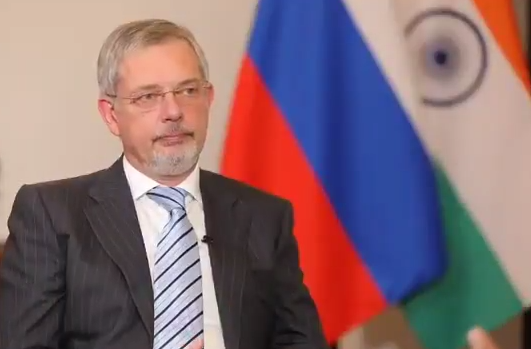
Statement by Denis Alipov signals potential revival of fifth-generation fighter cooperation between India and Russia
Introduction
India’s Defense modernization plans may be entering a new phase as it reportedly shows interest in acquiring or collaborating on Russia’s fifth-generation stealth fighter, the Sukhoi Su-57. The development was highlighted by Russian Ambassador to India Denis Alipov, who indicated that discussions between the two nations are ongoing.
This renewed interest comes at a time when India is actively looking to upgrade its air combat capabilities amid evolving regional security challenges. The potential deal, if realized, could significantly impact India’s air superiority and strategic posture in Asia.
What is the Su-57 and Why is it Important?
The Sukhoi Su-57 is Russia’s most advanced fighter jet, designed as a fifth-generation multirole aircraft. It is built to compete with Western platforms like the F-22 Raptor and F-35 Lightning II.
Key features of the Su-57 include:
- Stealth technology to reduce radar visibility
- Supercruise capability, allowing sustained supersonic flight without afterburners
- Advanced avionics and sensor fusion
- High maneuverability, making it effective in dogfights
- Capability to carry a mix of air-to-air and air-to-ground weapons
For India, acquiring such a platform would mark a significant leap in technological capability and combat readiness.
India’s Need for Fifth-Generation Fighters
India’s current fighter fleet includes aircraft like:
- Sukhoi Su-30MKI
- Dassault Rafale
- HAL Tejas
While these aircraft are highly capable, none of them are fully classified as fifth-generation fighters with complete stealth features.
India’s need for such aircraft is driven by:
- Rising regional competition
- Rapid modernization of neighboring air forces
- The need for network-centric warfare capabilities
The Su-57 could potentially fill this gap in the short to medium term.
Revival of the FGFA Program?
India and Russia previously collaborated on the Fifth Generation Fighter Aircraft (FGFA) program, which was based on the Su-57 platform. However, India withdrew from the project in 2018 due to concerns over:
- High development costs
- Limited technology transfer
- Performance and stealth capabilities
The recent statement by Denis Alipov suggests that both countries may be revisiting the possibility of cooperation, either through direct purchase or joint production.
Strategic Implications for India
1. Strengthening Air Superiority
Acquiring the Su-57 would significantly enhance India’s ability to maintain air dominance in contested environments.
2. Balancing Regional Power Dynamics
With countries in Asia investing heavily in advanced fighter jets, India’s move could help maintain a strategic balance.
3. Boosting Defense Ties with Russia
India has historically relied on Russia for defense equipment. This deal could reinforce long-standing military cooperation.
4. Bridging Capability Gaps
Until India’s indigenous fifth-generation fighter is ready, the Su-57 could act as a stopgap solution.
Role of Indigenous Development: HAL AMCA
India is also working on its own fifth-generation fighter program, the HAL AMCA (Advanced Medium Combat Aircraft).
The AMCA aims to:
- Develop indigenous stealth capabilities
- Reduce reliance on foreign defense imports
- Strengthen India’s aerospace industry
However, the project is still in development and may take years before induction into the Indian Air Force. In this context, the Su-57 could complement India’s long-term plans.
Challenges and Concerns
Despite the potential benefits, several challenges remain:
1. Technology Transfer
India has consistently emphasized the need for access to critical technologies. Any deal will depend heavily on Russia’s willingness to share advanced systems.
2. Cost Factors
Fifth-generation fighters are expensive, both in terms of acquisition and maintenance.
3. Operational Integration
Integrating a new platform into the Indian Air Force would require:
- Training pilots and ground staff
- Establishing maintenance infrastructure
- Ensuring compatibility with existing systems
4. Geopolitical Balance
India must carefully balance its defense relationships with Western countries, especially as it expands ties with the United States and European partners.
Global Context: Fifth-Generation Fighter Race
The global race for fifth-generation fighter jets is intensifying. Countries are investing heavily in advanced aviation technologies, including:
- Stealth
- Artificial Intelligence
- Autonomous systems
The Su-57 represents Russia’s entry into this competitive space, and India’s interest highlights the importance of staying ahead in modern warfare.
Future Outlook
The statement by Denis Alipov is an indication—not a confirmation—of a potential deal. Several factors will determine the outcome:
- Negotiation terms between India and Russia
- Strategic priorities of the Indian government
- Progress of the AMCA program
- Budgetary allocations for defense
If an agreement is reached, it could mark a significant milestone in India’s defense modernization journey.
Conclusion
India’s reported interest in the Sukhoi Su-57 underscores its commitment to strengthening its air power capabilities in an increasingly complex security environment.
While challenges remain, the potential collaboration with Russia could provide India with access to advanced technology and help bridge critical capability gaps. At the same time, the development of the HAL AMCA ensures that India continues to pursue long-term self-reliance in defense.
The coming months will be crucial in determining whether this interest translates into a concrete deal—one that could reshape the future of India’s air force and its role in global defense dynamics.