Reports allege understanding involving Al Jazeera, but Qatar rejects accusations as false
Introduction
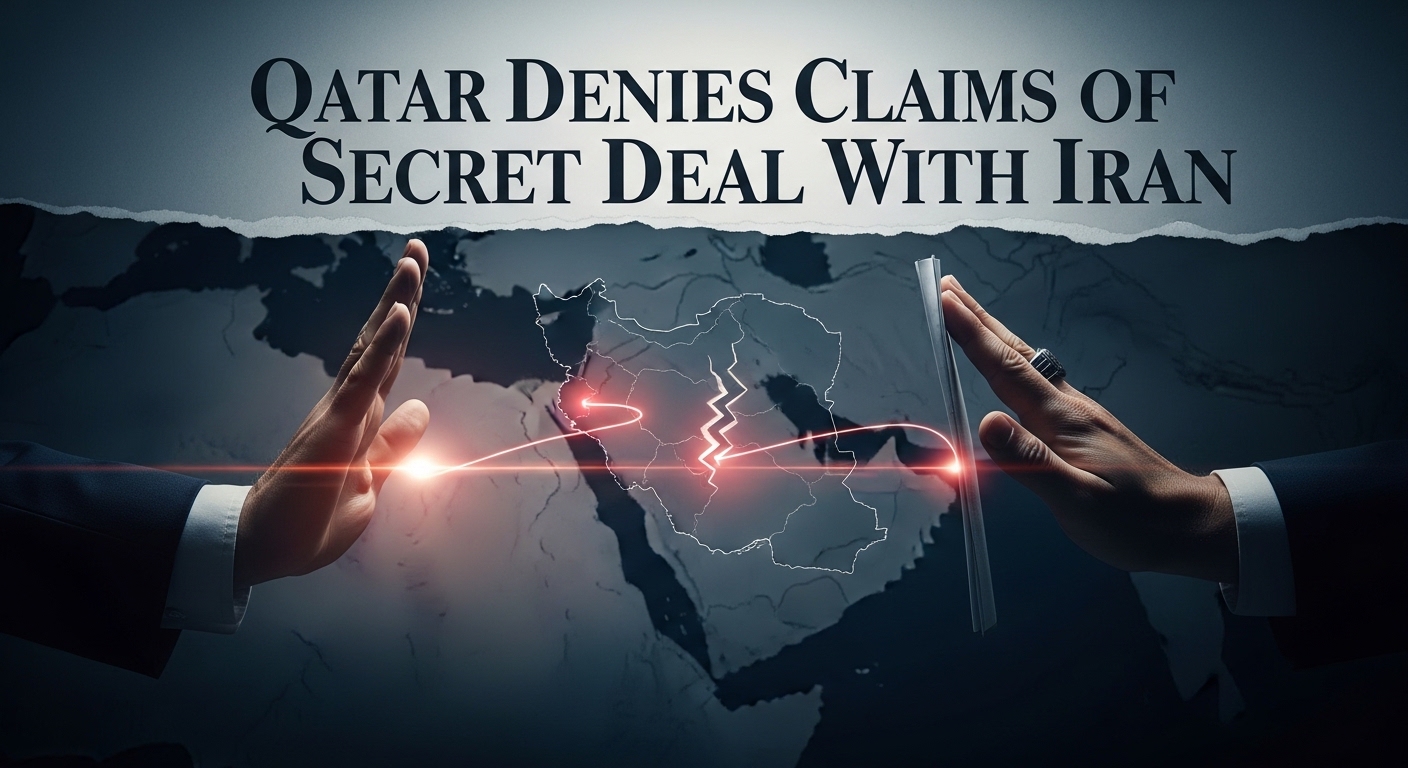
Fresh controversy has emerged in the Middle East after reports suggested a possible behind-the-scenes understanding between Qatar and Iran during the later stages of an ongoing conflict. However, Qatari officials have strongly denied these claims, calling them misleading and baseless.
The reports, which originated from sources cited by Kan News, have sparked debate over the role of media, diplomacy, and information warfare in the region.
What the Allegations Claim
According to the report, a regional source claimed that Qatar and Iran may have reached an informal understanding with two key elements:
- Iran allegedly reduced or scaled back attacks targeting Qatar
- In exchange, Al Jazeera was said to have softened its editorial tone toward Tehran
- The network reportedly gave more space to Iranian perspectives and voices
These claims suggest a potential link between security decisions and media coverage—an allegation that, if true, would raise serious concerns about journalistic independence and regional politics.
However, it is important to note that these claims are based on unnamed sources and have not been independently verified.
Qatar’s Firm Denial
In response, Qatar has categorically rejected the allegations.
Officials from Qatar stated that:
- No such agreement or understanding exists with Iran
- The claims are false, inaccurate, and misleading
- Qatar has not engaged in any secret or unilateral deals during the conflict
Doha emphasized that its foreign policy decisions are guided by transparency and coordination with international partners, rather than hidden arrangements.
Regional Context and Rising Tensions
The Middle East has been experiencing heightened tensions, with several countries navigating complex relationships and security challenges.
Qatar and Iran share geographic proximity and maintain diplomatic ties, but their relationship has often been influenced by broader regional conflicts.
Recent developments have included:
- Increased security concerns across the Gulf region
- Diplomatic efforts to reduce escalation
- Growing scrutiny of how media outlets report on sensitive geopolitical issues
The Role of Media in Geopolitics
The controversy also highlights the influence of media in shaping public perception during conflicts.
Al Jazeera, one of the most prominent news organizations in the region, is frequently analyzed for its editorial stance on Middle Eastern affairs.
While some critics argue that state-funded media can reflect national interests, there is no concrete evidence to confirm that Al Jazeera altered its coverage as part of any agreement with Iran.
Media experts caution that:
- Editorial shifts can occur due to evolving news dynamics
- Claims of manipulation should be backed by verifiable data
- Information warfare is increasingly common during geopolitical tensions
Information Warfare and Unverified Claims
The spread of unverified claims during conflicts is not uncommon. Competing narratives often emerge as different actors attempt to shape public opinion.
In this case:
- The allegation originates from a single source cited in media reports
- No official confirmation has been provided by independent agencies
- Qatar’s strong denial adds to the uncertainty
This situation underlines the importance of distinguishing between verified facts and speculative reporting.
Conclusion
The alleged Qatar–Iran understanding involving media coverage and security cooperation remains unproven and disputed. While the claims have attracted attention, Qatar’s firm denial and the lack of independent verification mean the story should be treated with caution.
As geopolitical tensions continue to evolve, the intersection of media, diplomacy, and security will remain a key area of focus. For now, the truth behind these allegations remains unclear, highlighting the challenges of navigating information in a rapidly changing global landscape.