Iran–US Talks Back on the Table – Signals from Tehran suggest cautious openness, as Vice President JD Vance prepares to enter crucial negotiations that could shape the future of the fragile ceasefire
In a fast-moving geopolitical development, Iran has signaled that it may be open to a second round of negotiations with the United States, raising hopes of a possible breakthrough before the looming ceasefire deadline of April 22. The situation, however, remains delicate, with both sides navigating deep mistrust, recent escalations, and high political stakes.
According to early diplomatic signals, Tehran has not outright rejected the idea of further talks, but it has also stopped short of confirming its participation. This ambiguity reflects the complex dynamics at play, where both diplomacy and pressure tactics are unfolding simultaneously.
A Fragile Opening: Is Iran Really Ready?
Officials in Iran have indicated that the possibility of resuming talks is “under consideration.” While this stops short of a firm commitment, it keeps the diplomatic window open.
This cautious approach is not unusual. In past negotiations, Iran has often used ambiguity as a strategic tool—keeping options open while assessing the ground reality. Analysts believe this could be a calculated move to extract concessions or test the seriousness of the U.S. position.
At the same time, internal political pressures within Iran may also be influencing this stance. Any agreement with the U.S. is a sensitive issue domestically, and leadership in Tehran is likely weighing both international and internal reactions.
JD Vance Steps In: A High-Level Push
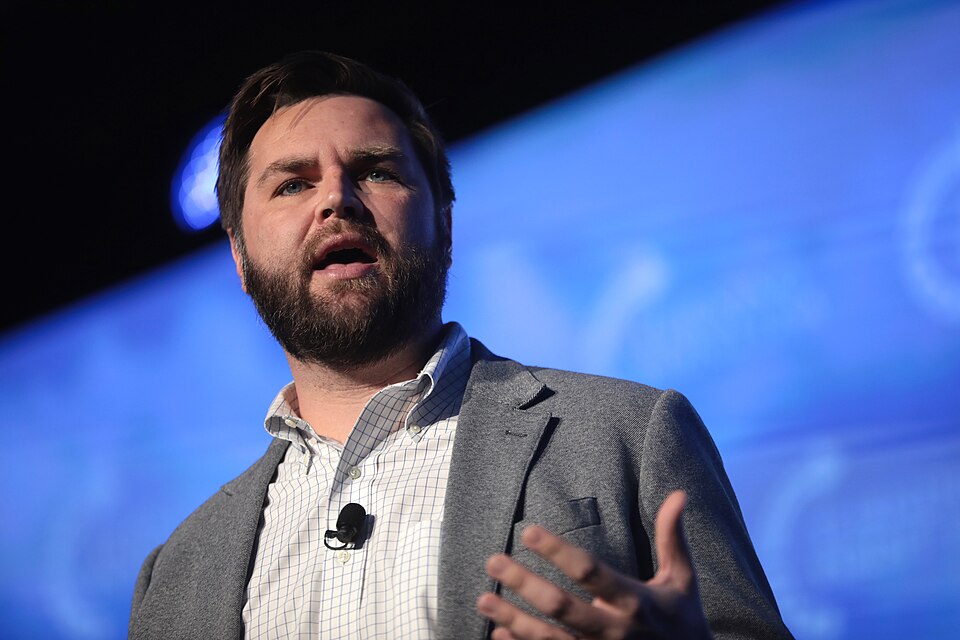
Adding urgency to the situation, U.S. Vice President JD Vance is set to arrive for negotiations in the coming hours. His involvement signals that Washington is treating this round of talks as critically important.
This is not the first attempt at dialogue. Previous discussions reportedly stretched for over 20 hours but failed to produce a concrete agreement. Despite that, the U.S. appears determined to keep the diplomatic channel alive.
Vance’s visit is being seen as a renewed push to break the deadlock. His presence may help accelerate discussions and bring both sides closer to a potential deal—if common ground can be found.
Rising Tensions: A Major Roadblock
Even as diplomatic efforts continue, recent developments have complicated the situation significantly.
One of the biggest flashpoints has been the U.S. seizure of an Iranian-linked vessel in the strategically vital Strait of Hormuz. Iran has strongly criticized the move, calling it a violation of existing understandings.
This incident has added fresh tension to an already fragile situation. In response, Iran has hinted that such actions could impact its willingness to engage in further talks.
For negotiators, this creates a difficult balancing act—pushing forward with diplomacy while managing escalating military and strategic tensions.
The April 22 Deadline: Why It Matters
The urgency surrounding these talks is largely driven by the approaching ceasefire deadline on April 22.
This date is critical because:
- It marks the end of the current temporary truce
- Failure to reach an agreement could lead to renewed escalation
- A deal before the deadline could stabilize the situation significantly
Diplomats on both sides are aware that time is running out. This adds pressure but also creates an opportunity—deadlines often force decisions that might otherwise be delayed.
Can a Deal Actually Happen?
The big question now is whether a deal can be reached in time.
Reasons for Optimism
- Both sides are still engaging, not walking away
- High-level involvement (like JD Vance) shows seriousness
- Backchannel diplomacy is reportedly active
Major Challenges
- Deep mistrust between the two countries
- Disagreements over nuclear and security issues
- Recent military tensions adding uncertainty
Experts suggest that while a breakthrough is possible, it would likely require compromises from both sides—something that has proven difficult in the past.
Global Impact: Why the World Is Watching
This is not just a bilateral issue between Iran and the U.S. The outcome of these talks could have far-reaching consequences.
Oil Markets
The Strait of Hormuz is one of the world’s most important oil transit routes. Any instability here can disrupt global energy supplies and push prices higher.
Regional Stability
A failure in talks could lead to increased tensions across the Middle East, affecting neighboring countries and global security.
Financial Markets
Uncertainty around the talks has already made global markets cautious. A positive outcome could boost confidence, while failure may trigger volatility.
Strategic Game: More Than Just Talks
What we are seeing is not just negotiation—it’s strategy.
Both Iran and the U.S. are:
- Testing each other’s limits
- Using diplomacy alongside pressure tactics
- Trying to secure maximum advantage
Iran’s “maybe” is as important as a “yes” or “no.” It keeps the U.S. engaged while maintaining leverage.
Similarly, the U.S. sending a top leader like JD Vance signals urgency but also strength.
Final Analysis
As the clock ticks toward April 22, the Iran–U.S. situation stands at a critical crossroads.
There is a narrow path to a deal—but it is filled with obstacles. The coming hours and days will be crucial in determining whether diplomacy prevails or tensions escalate further.
One-Line Summary
👉 “Negotiations are alive, but the margin for error is shrinking fast as the deadline approaches.”