When Religion Becomes a Weapon: The latest rhetoric coming from Tehran and parts of Israel’s religious establishment may differ in language, history, and politics, but it reflects a similar instinct: turning political conflict into sacred conflict and wrapping earthly disputes in divine authority.
In Iran, senior clerics have escalated their language against foreign leaders, framing political enemies in religious terms and issuing declarations that supporters interpret as carrying profound theological weight. Whether these statements are intended as literal calls to action or symbolic demonstrations of ideological resolve, they blur the line between state policy and religious absolutism.
At roughly the same time, Israel has witnessed its own controversy. At an anti-conscription rally in Bnei Brak, Rabbi Aryeh Yazdi reportedly directed an extraordinary curse toward IDF Chief of Staff Lt. Gen. Eyal Zamir, while accusing the Israeli military of threatening Torah study and religious life. Former Sephardi Chief Rabbi Yitzhak Yosef also argued that Israel’s true protection comes not from military technology or battlefield success, but from Torah scholars studying in yeshivot.
The contexts are obviously different. Iran is an Islamic republic whose clerical establishment sits at the center of political power. Israel is a democracy where rabbis, even influential ones, do not control the state. Equating the two systems would ignore profound differences in governance, accountability, and civil liberties.
Yet the similarities in rhetoric deserve attention.
In both cases, religion becomes a tool for defining absolute enemies rather than encouraging compromise. Political disagreements are elevated into cosmic struggles between good and evil, leaving little room for practical debate or democratic disagreement.
That approach carries consequences.
When military commanders are portrayed as enemies of faith, or foreign leaders are described as legitimate targets in a sacred struggle, public discourse shifts away from policy and toward moral absolutism. Once politics becomes holy war, compromise is no longer weakness—it becomes heresy.
There is another uncomfortable parallel.
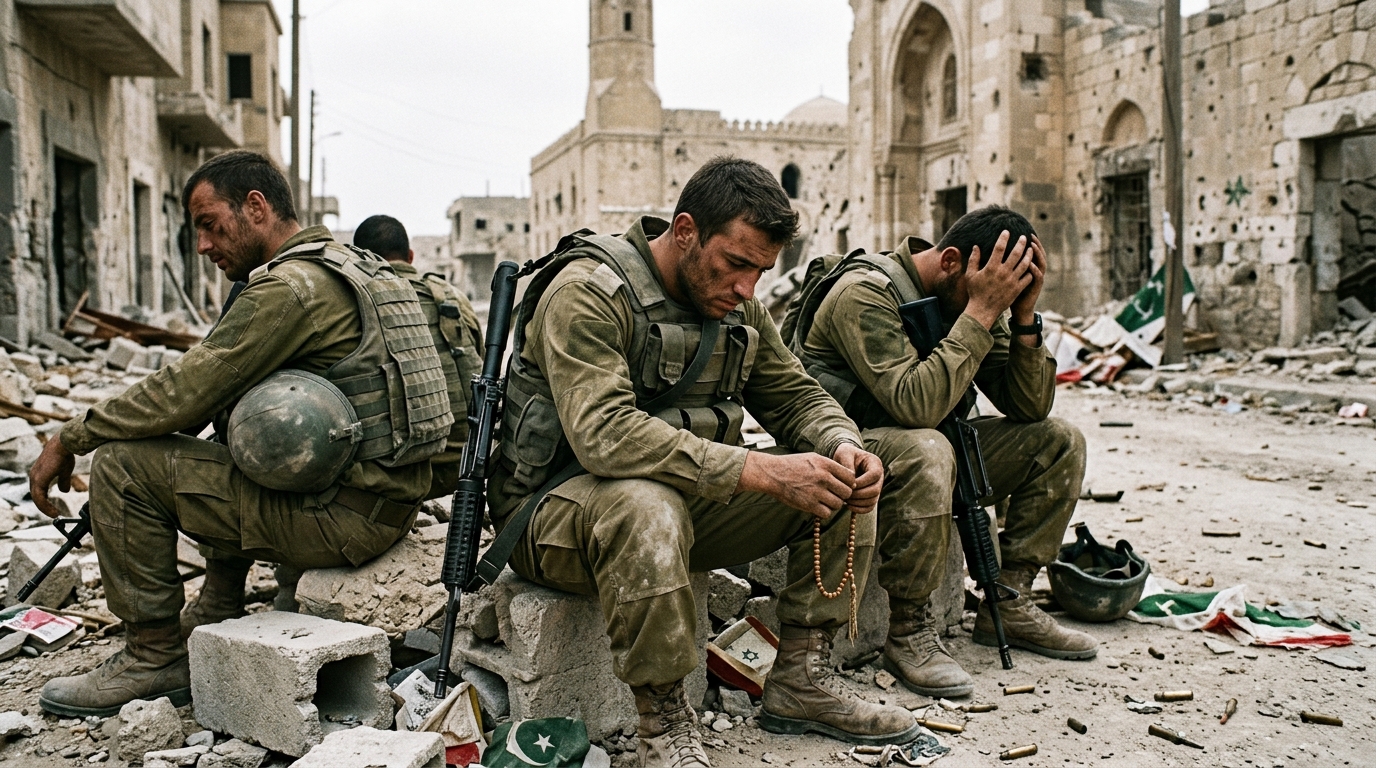
The people issuing the strongest declarations are rarely those standing on the battlefield. Soldiers, intelligence officers, and emergency responders bear the physical risks of conflict. Clerics and politicians shape the narratives that justify it.
Israel’s ongoing debate over military conscription illustrates this tension. The government continues balancing the demands of coalition politics with the military’s need for additional personnel. Large exemptions for many ultra-Orthodox students remain deeply controversial, particularly as reservists serve repeated combat deployments.
Supporters of exemptions argue that Torah study contributes to Israel’s security in a spiritual sense and preserves a centuries-old religious tradition. Critics respond that national Defense requires a more equal sharing of civic responsibility and that no community should remain permanently exempt while others shoulder the burden.
Those disagreements are legitimate subjects for democratic debate.
What becomes dangerous is when opponents stop being fellow citizens with different views and instead become enemies of God.
Iran faces a similar challenge from the opposite direction. The country’s leadership has long intertwined political legitimacy with religious authority. In times of military setbacks or diplomatic pressure, religious symbolism often becomes more pronounced, reinforcing ideological unity while discouraging internal dissent.
The result in both societies is a narrowing of political space.
Military institutions become symbols in ideological struggles rather than professional organizations carrying out state policy. Religious authority becomes harder to question because criticism is portrayed as an attack on faith itself.
History offers repeated warnings about where that path can lead.
Societies function best when religious belief inspires personal ethics and community service, while political disagreements remain open to debate, evidence, and democratic accountability. Once sacred language is used to settle political disputes, it becomes increasingly difficult to separate divine authority from human ambition.
Neither missiles nor sermons alone determine a nation’s future.
Ultimately, countries are defended by institutions, citizens willing to accept shared responsibilities, and leaders capable of distinguishing political disagreement from existential warfare. The moment every opponent becomes a holy enemy, compromise becomes impossible—and ordinary people are left paying the price for battles they never chose.
Religious faith can provide hope, resilience, and moral purpose during times of crisis. But when faith is employed primarily as a weapon against political opponents, it risks serving power more than principle. That should concern anyone who values both religious freedom and democratic debate, regardless of which side of a conflict they support.