
Growing Interest in U.S. Relocation Highlights Changing Migration Trends and Ongoing Debate in South Africa
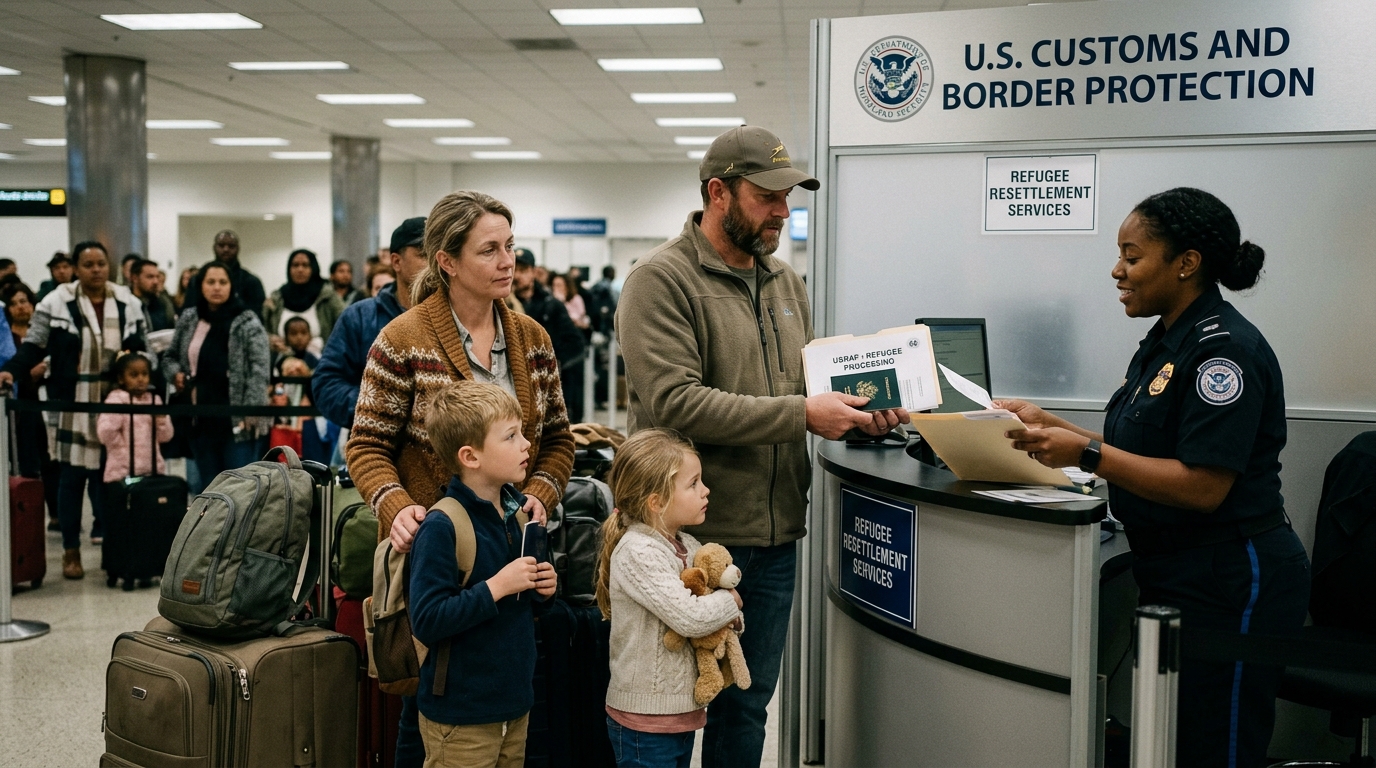
A growing number of white Afrikaners are leaving South Africa for the United States through a combination of refugee resettlement initiatives and employment-based visa programs, according to recent reports. The trend has sparked debate in both countries, drawing attention to issues of migration, economic opportunity, race relations, and international policy.
The increase in White Afrikaners Moving to the United States follows policy changes announced by the U.S. government in 2025 that created a pathway for certain Afrikaners to apply for refugee status. At the same time, thousands of South Africans have continued traveling to America through work visa programs, particularly in the agricultural sector.
Supporters of the relocation efforts describe the move as an opportunity for families seeking new futures, while critics argue that the program has become politically controversial and has raised questions about refugee policies and immigration priorities.
U.S. Refugee Program Drives Interest
The migration trend gained momentum after U.S. President Donald Trump signed an executive order in February 2025 directing agencies to support the resettlement of Afrikaners who claim they face racial discrimination in South Africa. The policy specifically called for refugee admissions and humanitarian assistance for qualifying applicants.
Reports indicate that thousands of inquiries were submitted shortly after the program opened. The first group of Afrikaner refugees arrived in the United States in May 2025, and additional arrivals followed in the months afterward. Several reports suggest that thousands more applications have been filed as interest in relocation continues to grow.
The rise in White Afrikaners Moving to the United States has become one of the most discussed immigration developments involving South Africa in recent years.
South Africa Challenges Claims of Persecution
The refugee program has also generated diplomatic tensions between Washington and Pretoria.
South African officials have repeatedly rejected claims that Afrikaners face systematic persecution. Government leaders argue that South Africa remains a constitutional democracy where all citizens enjoy equal legal protections. Officials have described the refugee initiative as politically motivated and have challenged allegations that white South Africans are being targeted by state policies.
The debate intensified after disagreements emerged over land reform policies and broader U.S.-South Africa relations. South African leaders have maintained that land reform efforts are intended to address historical inequalities rather than target any racial group.
As a result, the issue has evolved beyond immigration and become part of a larger international discussion about race, policy, and diplomatic relations.
Employment Visas Also Play a Major Role
While refugee admissions have received significant media attention, employment-based migration continues to account for a substantial number of South Africans entering the United States.
According to available data, thousands of South Africans have obtained H-2A agricultural visas that allow temporary work on American farms. These visas are commonly used by U.S. agricultural employers facing labor shortages and seeking experienced workers.
Many Afrikaners possess farming backgrounds and agricultural skills that are highly valued in the American farming industry. Recruitment agencies and farm operators have cited their experience with modern agricultural equipment, English-language proficiency, and seasonal availability as important factors behind their demand.
For some families, temporary employment opportunities have become a pathway toward exploring longer-term relocation options.
Economic and Social Factors Influence Decisions
Migration experts note that decisions to relocate are often influenced by a combination of economic, social, and personal factors.
Some South Africans moving to the United States cite employment opportunities, educational prospects, and long-term financial stability as key motivations. Others are attracted by the possibility of building new careers or securing opportunities for future generations.
At the same time, not all relocation experiences have been smooth. Reports from the United States indicate that some newly arrived South African refugees have faced challenges related to housing, transportation, licensing requirements, and adapting to new communities.
These experiences demonstrate that migration often brings both opportunities and challenges regardless of the circumstances under which individuals move.
The continuing trend of White Afrikaners Moving to the United States reflects broader global patterns in which skilled workers and families seek opportunities abroad while balancing cultural and economic considerations.
Political Debate Continues
The refugee initiative remains politically controversial in both countries.
Supporters argue that individuals who believe they face discrimination should have access to legal pathways for resettlement. Critics question whether Afrikaners meet traditional refugee definitions and point to ongoing humanitarian crises affecting displaced populations elsewhere in the World.
The program has also become part of wider political debates surrounding immigration policy, refugee admissions, and international human rights standards.
Analysts believe the discussion will continue as additional applications are processed and as policymakers evaluate the long-term impact of the initiative.
What Happens Next?
Immigration experts expect interest in relocation programs to remain strong in the coming months. Thousands of applications are reportedly still being reviewed, and both refugee and employment-based pathways remain available to qualifying applicants.
The future of the program may depend on political developments, immigration policies, and ongoing diplomatic discussions between the United States and South Africa.
For now, the trend of White Afrikaners Moving to the United States represents a significant migration story that continues to attract international attention. Whether driven by economic opportunity, political concerns, or personal aspirations, the movement of Afrikaners to America has become an important chapter in the evolving relationship between the two nations.