
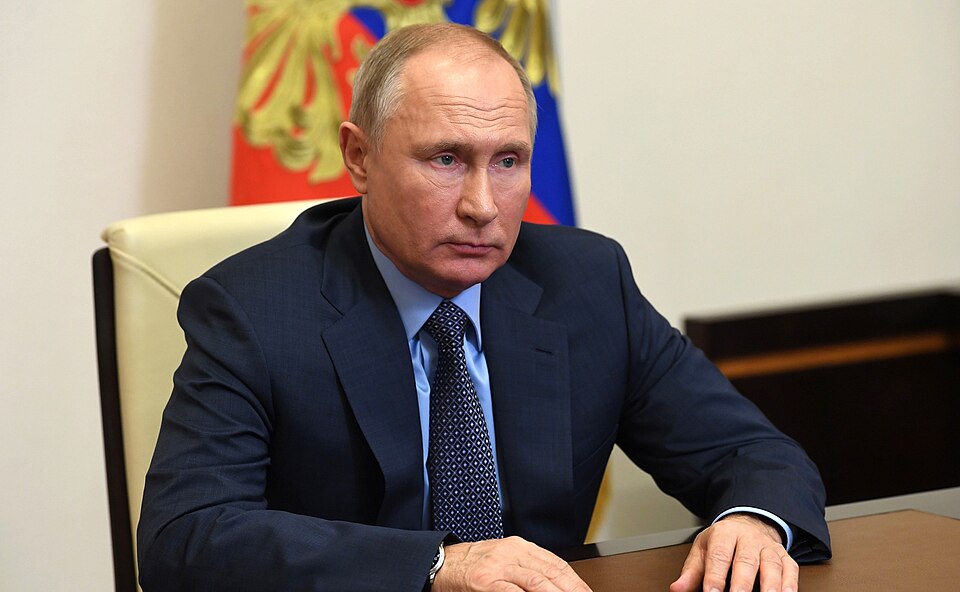
Putin Says Iran Trusts Russia on Nuclear Issue, So here’s a story that feels a bit like déjà vu.
Vladimir Putin is back with a familiar proposal: let Russia store Iran’s enriched uranium. He says Iran trusts Moscow on nuclear matters, and Russia is ready to make the offer happen.
The catch? The United States isn’t having it. At least not yet.
This has been going around in circles for a while. And it gets right to the heart of one of the most sensitive questions in global diplomacy: who should hold the keys to Iran’s nuclear material?
What Is Russia Actually Offering?
Let me break it down simply.
Moscow’s idea is pretty straightforward. Iran hands over its enriched uranium. Russia takes custody of it. Then Russia converts it into civilian nuclear fuel — the kind you use for power plants, not bombs.
In theory, this reduces the risk of that uranium ever being weaponized. Iran still gets to maintain a civilian nuclear program. And everyone breathes a little easier.
Russian officials have been pushing this as a practical, middle-ground solution. No dramatic dismantling. No endless inspections drama. Just a trusted third party holding onto the sensitive stuff.
Sounds reasonable, right?
Well…
The US Says No. Here’s Why.
Washington doesn’t trust this arrangement. Plain and simple.
The United States has serious concerns about long-term control and verification. If Russia holds the uranium, can the US really be sure it stays secure? Can they be sure Iran doesn’t eventually get it back?
US officials have pushed for stricter conditions:
- Direct oversight — meaning American or international control, not Russian
- Long-term or permanent limits on Iran’s enrichment capability
- Stronger guarantees that Iran won’t develop nuclear weapons
In other words, the US doesn’t want a friendly handshake with Moscow. They want hard, enforceable rules.
And that’s where things get stuck.
Putin’s Argument: ‘They Trust Us’
Putin’s response? Iran has every reason to trust Russia.
And he’s not pulling that out of thin air. Russia has a history of cooperating with Iran on nuclear issues. They’ve been involved in previous agreements. They have technical expertise. And unlike the US, Moscow has maintained working diplomatic relationships with Tehran.
From Russia’s perspective, they’re the logical middleman. Not too cozy with Iran to be biased. Not too hostile to be useless.
But the US clearly sees it differently.
This Isn’t New — But the Timing Matters
Look, this proposal has been floating around for years. It’s been discussed. It’s gained some traction. It’s fallen apart.
So why are we talking about it again?
Because the diplomatic landscape is shifting. Negotiations between Iran and the US are still fragile. Key issues remain unresolved:
- How much uranium can Iran enrich?
- What sanctions get lifted, and when?
- Who provides security guarantees in the region?
Russia is trying to insert itself as a mediator. And offering to store uranium is a big part of that pitch.
Why the US Rejection Creates a Deadlock
Here’s the problem.
Without US buy-in, this proposal is basically dead in the water. Iran isn’t going to hand its uranium over to Russia just because Moscow asks nicely. They’d want international legitimacy — and that means Washington’s approval (or at least tolerance).
But the US wants stricter controls. Iran wants sanctions relief. Russia wants to play peacemaker. Everyone wants something different.
So the uranium just sits there. And tensions keep simmering.
What Happens Next?
Honestly? More of the same unless something changes.
Analysts say any real breakthrough depends on:
- Whether Washington softens its stance (don’t hold your breath)
- Whether Iran offers new compromises (possible, but not guaranteed)
- Whether third-party mediators like Russia or China can find creative workarounds
For now, the enriched uranium issue remains one of the biggest unsolved puzzles in the Iran nuclear standoff. Russia says “trust us.” The US says “not so fast.”
And everyone is stuck in the middle.
Conclusion
Putin just reopened an old offer: let Russia store Iran’s nuclear uranium. He says Tehran trusts Moscow. The US still says no.
Until someone blinks — or a new diplomatic path emerges — expect more of the same. Talks that go nowhere. Proposals that get rejected. And a nuclear issue that refuses to go away.