Football Governing Body Opens Door for Russia’s Return to International Competition Through Youth Tournament
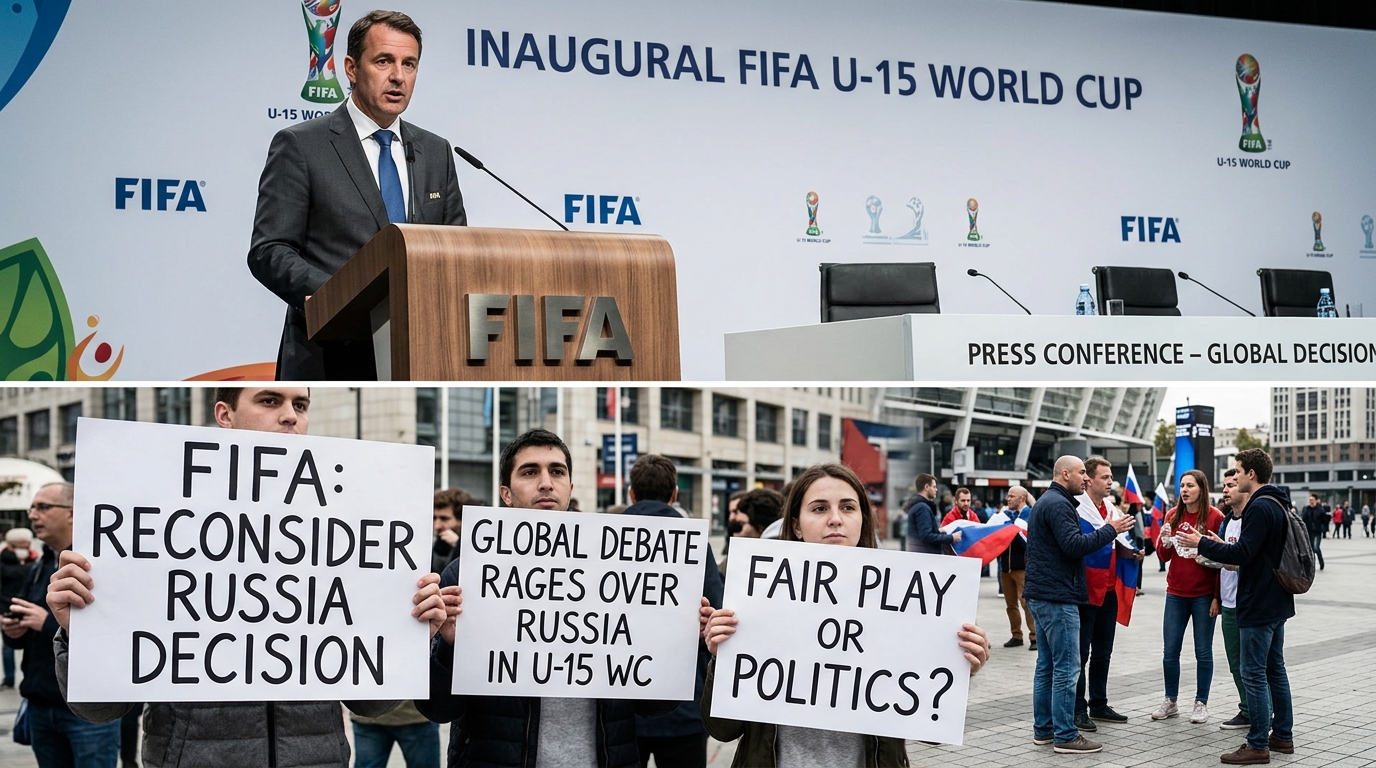
International football is once again at the center of a major political and sporting debate following FIFA’s decision to allow Russia to participate in the inaugural U-15 World Cup. The move marks a significant development in Russia’s relationship with global football and has already triggered discussions among football associations, governments, players, and fans around the world.
The controversial FIFA Decision on Russia comes after years of restrictions placed on Russian teams following the country’s international isolation in sports. While FIFA has framed the move as an opportunity for young athletes to compete regardless of political circumstances, critics argue that the decision could create divisions within the football community.
As preparations for the historic youth tournament continue, the announcement is expected to remain one of the most discussed topics in international football.
FIFA Opens Path for Russia’s Return
The decision allows Russia to participate in the newly created U-15 World Cup, a tournament designed to provide young footballers with international competitive experience at an early age.
FIFA officials have emphasized that youth competitions should focus on the development of players and promote the values of football among younger generations. According to supporters of the move, children should not be prevented from participating in sporting events because of geopolitical conflicts beyond their control.
The FIFA Decision on Russia is being viewed as a potential first step toward broader discussions regarding Russia’s future role in international football competitions.
However, the announcement has not been universally welcomed. Several football organizations are reportedly reviewing their positions and considering how they will respond to Russia’s return at the youth level.
Why Russia Was Previously Suspended
Russia faced widespread sporting restrictions after the outbreak of the conflict in Ukraine. International sports governing bodies, including FIFA and UEFA, suspended Russian national teams and clubs from participating in many international competitions.
The sanctions affected men’s, women’s, and youth football programs, preventing Russian teams from competing in major tournaments and qualification events.
Over the past few years, Russian football officials have repeatedly sought pathways back into international competition. The latest development represents the most significant breakthrough for Russian football since those restrictions were introduced.
Many observers see the FIFA Decision on Russia as an indication that football authorities are exploring ways to reintroduce Russian participation in selected competitions while maintaining broader sanctions elsewhere.
Mixed Reactions Across the Football World
The announcement has generated a wide range of reactions from football stakeholders.
Supporters argue that youth players should be separated from political disputes and allowed to pursue opportunities for development and international competition. They believe football should serve as a bridge between cultures rather than become a casualty of global conflicts.
Others, however, strongly oppose the move. Critics argue that allowing Russian teams back into FIFA competitions could undermine previous decisions made in response to geopolitical events.
Several national football associations are expected to discuss the issue internally before deciding how they will approach future tournaments involving Russian participation.
The FIFA Decision on Russia may also become a topic of discussion at upcoming meetings involving FIFA member associations, where concerns and opinions can be formally presented.
Impact on the Inaugural U-15 World Cup
The inaugural U-15 World Cup is intended to become a major platform for developing young football talent from around the world. FIFA hopes the competition will provide valuable international experience for future generations of players.
With Russia now included, attention surrounding the tournament has increased significantly.
Many football analysts believe the debate could overshadow sporting preparations and place additional pressure on organizers. Tournament officials may face questions regarding participation policies, scheduling arrangements, and potential responses from countries that oppose Russia’s involvement.
At the same time, others argue that the increased attention could raise the profile of the competition and generate greater global interest in youth football.
Political and Sporting Implications
The relationship between sports and politics has long been a subject of debate. Major sporting events frequently become connected to broader international issues, particularly when national teams are involved.
The FIFA Decision on Russia highlights the challenges sports organizations face when balancing political realities with their mission of promoting competition and inclusion.
FIFA must now navigate differing viewpoints among its member nations while maintaining the credibility and integrity of international football competitions.
Experts suggest the governing body will closely monitor reactions from member associations and stakeholders before making any additional decisions regarding Russia’s participation in future tournaments.
What Happens Next?
The coming months will likely be crucial in determining how the decision affects international football.
National associations, regional confederations, and football governing bodies are expected to continue discussions regarding Russia’s status within the global game. Any significant opposition could influence future policy decisions and tournament participation rules.
Meanwhile, young Russian players are preparing for the opportunity to compete on the international stage once again. For many of them, the tournament represents a chance to showcase their talent after years of limited exposure to global competition.
Whether the move becomes a stepping stone toward Russia’s wider return to international football or remains limited to youth competitions remains uncertain.
What is clear is that the FIFA Decision on Russia has already become one of the most significant football stories of the year. As the inaugural U-15 World Cup approaches, football fans, officials, and governments around the world will be watching closely to see how the situation develops and what it means for the future of international sport.