Tehran signals firm stance as tensions rise over uranium enrichment and international nuclear concerns
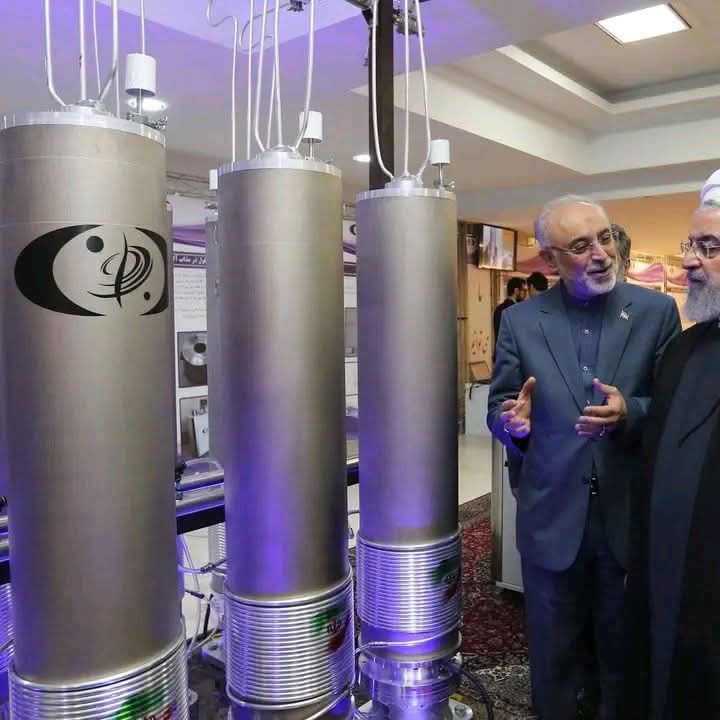
The Islamic Revolutionary Guard Corps (IRGC) of Iran has issued a strong and uncompromising statement rejecting any form of external pressure on the country’s nuclear program, especially its uranium enrichment activities. The statement comes amid ongoing international debate over Iran’s nuclear ambitions and growing geopolitical tensions in the Middle East.
The IRGC emphasized that Iran will continue to enrich uranium strictly within its own territory and will not surrender or relocate its nuclear capabilities under any foreign demand. The statement also carried a warning tone, saying that those who threaten force against Iran “know the road that leads to Iran,” signaling readiness to respond to any possible aggression.
Strong Message on Nuclear Sovereignty
In its official remarks, the IRGC reaffirmed that Iran considers its nuclear program a matter of national sovereignty and security. According to the statement, uranium enrichment is a non-negotiable right of the country, and external interference will not be accepted under any circumstances.
The IRGC also criticized what it described as “political pressure and intimidation tactics” from Western powers. It argued that such actions would not change Iran’s strategic decisions and only increase regional instability.
Iran has long maintained that its nuclear program is for peaceful purposes, including energy production and scientific development. However, several Western countries have raised concerns over the level of enrichment and lack of full transparency in certain aspects of the program.
Rising Tensions Over Nuclear Policy
The latest statement from the IRGC adds to already heightened tensions between Iran and Western governments. Discussions around uranium enrichment limits and sanctions relief have repeatedly stalled in recent years, with little progress toward a long-term agreement.
Observers note that such strong rhetoric often reflects deeper diplomatic deadlocks. The lack of trust between Iran and its negotiating counterparts has made it difficult to achieve lasting compromises, even when talks are held.
Security analysts believe that Iran’s firm stance may be aimed at strengthening its bargaining position in any future negotiations. At the same time, it also sends a message to domestic audiences that the leadership remains firm against external pressure.
Regional and Global Concerns
The nuclear issue remains one of the most sensitive topics in global diplomacy. Countries in the region and beyond are closely watching developments, as any escalation could have wide-reaching consequences for energy markets, security, and international relations.
The IRGC’s remarks are likely to be viewed with concern by nations advocating for stricter monitoring of Iran’s nuclear activities. However, Iran continues to insist that its program is peaceful and conducted within its legal rights under international agreements.
What Happens Next
At present, there is no indication of a breakthrough in negotiations related to Iran’s nuclear program. Diplomatic efforts are expected to continue, but progress remains uncertain due to deep disagreements on key issues such as uranium enrichment levels and sanctions.
For now, Iran’s message is clear: it will not compromise on its nuclear sovereignty. The IRGC’s statement reinforces a hardline position that could shape the next phase of international discussions.
Conclusion
The IRGC’s latest remarks highlight the ongoing tension between Iran and Western powers over nuclear policy. While diplomacy remains on the table, Iran’s firm rejection of external pressure suggests that reaching a compromise will remain a major challenge in the coming months.