Islamabad emerges as a key mediator as both sides signal willingness to continue dialogue despite no breakthrough
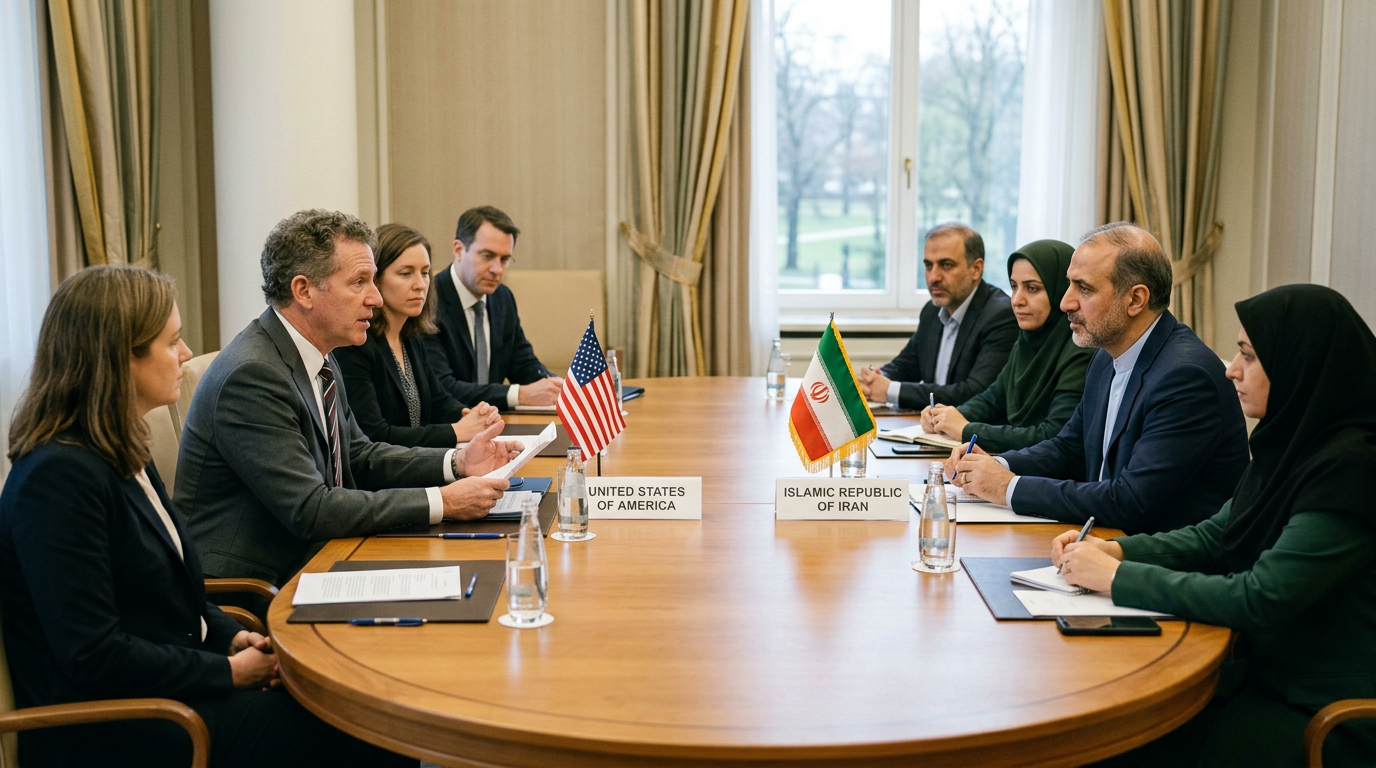
In a significant development amid rising global tensions, peace talks between the United States and Iran held in Pakistan have ended without a formal agreement. However, both sides have indicated that discussions are far from over, leaving the door open for future negotiations.
The high-level talks, which took place in Islamabad and reportedly lasted for several hours, were aimed at easing tensions related to regional security concerns, nuclear issues, and economic sanctions. Despite intense discussions, negotiators were unable to reach a consensus on key matters, leading to a temporary stalemate.
No Agreement, But Hope Remains
While the outcome may appear disappointing at first glance, diplomatic sources suggest that the situation is not entirely negative. Officials from both the United States and Iran have acknowledged the importance of continued dialogue and expressed cautious optimism about future engagement.
The willingness to keep communication channels open is being seen as a positive signal in an otherwise strained relationship. Analysts believe that even unsuccessful talks can help build trust and lay the groundwork for future agreements.
Pakistan’s Growing Role in Diplomacy
Pakistan has emerged as a crucial player in facilitating dialogue between the two nations. Acting as a neutral ground, Islamabad hosted the talks and continues to engage with both sides to ensure that discussions do not collapse entirely.
Officials in Pakistan have confirmed that efforts are ongoing to bring both parties back to the negotiating table. The country’s strategic position and diplomatic ties with both the United States and Iran make it a suitable mediator in this complex geopolitical situation.
Experts suggest that Pakistan’s involvement could help reduce tensions in the region and prevent further escalation. Its role is particularly important at a time when global concerns over security and stability in the Middle East are increasing.
Challenges Ahead
Despite the willingness to continue talks, several major challenges remain unresolved. Key issues include disagreements over Iran’s nuclear program, economic sanctions imposed by the United States, and broader regional security concerns.
These topics have historically been difficult to negotiate, and progress is expected to be slow. However, the continuation of dialogue itself is being viewed as a step in the right direction.
What Comes Next?
Although no official date has been announced for the next round of talks, diplomatic sources indicate that further discussions are likely in the near future. Pakistan is expected to continue its mediation efforts, working behind the scenes to bring both sides closer to an agreement.
For now, the focus remains on maintaining open communication and preventing further deterioration of relations. The outcome of future talks could have a significant impact on regional stability and global geopolitics.
Conclusion
While the first round of talks between the United States and Iran in Pakistan did not produce a breakthrough, the commitment to continued dialogue offers a glimmer of hope. With Pakistan actively mediating and both sides willing to engage, the path to a potential resolution, though uncertain, remains open.