
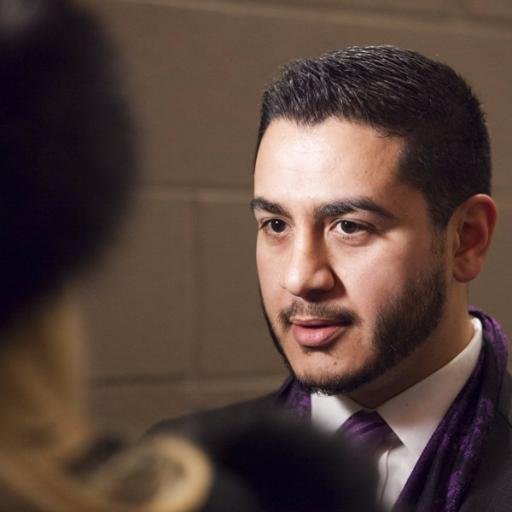
Michigan Senate candidate pushes progressive immigration reforms focused on human rights, legal pathways, and systemic change
Immigration has once again become a major political issue in the United States, and Abdul El-Sayed, a Democratic Senate candidate from Michigan, is drawing attention for his bold and progressive stance. His immigration policy centers on deep structural reforms, including a controversial proposal to abolish U.S. Immigration and Customs Enforcement (ICE) and replace it with a more humane system.
As debates intensify ahead of elections, El-Sayed’s ideas are shaping conversations about the future of immigration enforcement, border policy, and the rights of millions of immigrants living in the U.S.
Abolishing ICE: The Core Proposal
One of the most talked-about elements of El-Sayed’s immigration policy is his support for abolishing ICE. The agency, created in 2003, is responsible for enforcing immigration laws, detaining undocumented immigrants, and carrying out deportations.
El-Sayed argues that ICE, in its current form, has been associated with controversial practices, including aggressive raids and family separations. Instead of maintaining the agency, he proposes dismantling it and redistributing its responsibilities to other institutions with stronger oversight and accountability.
Supporters of this idea believe it could reduce harsh enforcement tactics and improve trust between immigrant communities and authorities. Critics, however, warn that eliminating ICE could weaken law enforcement and create gaps in border security.
Shift Toward a More Humane Enforcement System
Beyond abolishing ICE, El-Sayed emphasizes the need to fundamentally change how immigration laws are enforced. His approach prioritizes human rights and fairness over strict enforcement.
Key elements include:
- Reducing large-scale immigration raids
- Focusing enforcement on serious criminal activity rather than civil violations
- Ensuring due process and legal protections for all individuals
This approach reflects a broader progressive vision that sees immigration not just as a legal issue, but also as a humanitarian concern.
Pathway to Citizenship for Undocumented Immigrants
A major pillar of El-Sayed’s policy is creating a clear and achievable pathway to citizenship for undocumented immigrants living in the United States.
This would include:
- Long-term undocumented residents
- DACA recipients, often referred to as “Dreamers”
- Workers who have contributed to the U.S. Economy
The goal is to bring millions of people out of legal uncertainty and into the formal system, allowing them to work, pay taxes, and participate fully in society.
Protecting Immigrant Families
Family unity is another key focus of El-Sayed’s immigration agenda. He has expressed opposition to policies that separate families or detain individuals for extended periods.
Proposed measures include:
- Ending family separation practices
- Expanding alternatives to detention
- Keeping children and parents together during legal processes
Advocates say such policies are essential for protecting human dignity, while critics argue they may reduce the deterrent effect of immigration enforcement.
Reforming the Immigration Detention System
El-Sayed has also called for significant changes to the immigration detention system. He has criticized the use of private detention centers and the conditions in which many detainees are held.
His reform ideas include:
- Reducing reliance on detention facilities
- Ending private, for-profit detention centers
- Improving oversight and living conditions
He supports the use of community-based alternatives, which allow individuals to remain with their families while their immigration cases are processed.
Addressing Root Causes of Migration
Unlike policies that focus only on border enforcement, El-Sayed’s approach looks at the bigger picture by addressing the root causes of migration.
These include:
- Violence and political instability in home countries
- Economic inequality
- Climate-related challenges
By tackling these underlying issues, his policy aims to reduce forced migration over time rather than simply reacting to it.
Support for Refugees and Asylum Seekers
El-Sayed’s immigration plan also includes stronger protections for refugees and asylum seekers. He supports making it easier for people fleeing danger to seek safety in the United States.
Key proposals:
- Expanding refugee admissions
- Improving the asylum process
- Reducing waiting times for applications
This aligns with international human rights principles and the idea of the U.S. as a safe haven for those in need.
Reducing Deportations
Another important aspect of his policy is limiting deportations, especially for individuals who do not pose a threat to public safety.
His approach includes:
- Prioritizing deportation for serious criminal cases
- Providing legal protections for non-violent individuals
- Expanding relief programs
This policy aims to prevent unnecessary separation of families and communities.
A Broader Vision for Immigration Reform
El-Sayed’s immigration stance is part of a larger progressive agenda that connects immigration with other issues such as healthcare, labor rights, and economic equality.
He believes that immigrants should have access to:
- Affordable healthcare
- Fair wages and workplace protections
- Equal treatment under the law
This holistic approach aims to integrate immigrants more fully into American society.
Conclusion
Abdul El-Sayed’s immigration policy represents a significant shift from traditional enforcement-focused approaches. By calling to abolish U.S. Immigration and Customs Enforcement and replace it with a more humane system, he has positioned himself at the center of a major political debate.
Supporters see his proposals as necessary reforms that prioritize human rights and fairness, while critics argue they could weaken enforcement and create new challenges.
As the political landscape evolves, El-Sayed’s ideas are likely to remain a key part of the national conversation on immigration, shaping how voters and policymakers think about the future of the U.S. immigration system.
Abdul El-Sayed vs Democrats vs Republicans: Immigration Policy Comparison
How the Michigan candidate’s stance on abolishing ICE differs from other political positions
Immigration policy remains one of the most debated issues in the United States, and Abdul El-Sayed has added fresh momentum to the discussion with his call to abolish U.S. Immigration and Customs Enforcement (ICE). His stance places him on the progressive end of the political spectrum, clearly different from both mainstream Democrats and Republicans.
El-Sayed’s proposal focuses on replacing ICE with a more humane system, reducing deportations, and expanding pathways to citizenship. While some Democrats share parts of this vision, most stop short of calling for the agency’s complete abolition. On the other hand, Republicans strongly support ICE and favor stricter immigration enforcement policies.
This divide highlights how immigration remains a deeply polarizing issue, with each side offering a different approach to enforcement, reform, and national security.
Key Policy Comparison
| Issue | Abdul El-Sayed | Democrats (Mainstream) | Republicans |
|---|---|---|---|
| ICE | Abolish and replace | Reform and regulate | Support and strengthen |
| Deportations | Reduce, focus on serious crimes | Moderate, targeted enforcement | Increase, strict enforcement |
| Pathway to Citizenship | Strongly support expansion | Support (especially Dreamers) | Limited or oppose broad expansion |
| Immigration Approach | Humanitarian-focused | Balanced approach | Security-focused |
Conclusion
Abdul El-Sayed’s immigration policy stands out for its bold and reform-driven approach. By advocating the abolition of U.S. Immigration and Customs Enforcement, he has positioned himself further left than most Democrats, while remaining in sharp contrast to Republican policies.
As the debate continues, these differences will play a key role in shaping voter opinions and the future direction of U.S. immigration policy.