
The Rise of Synthetic Candidates in Modern Elections
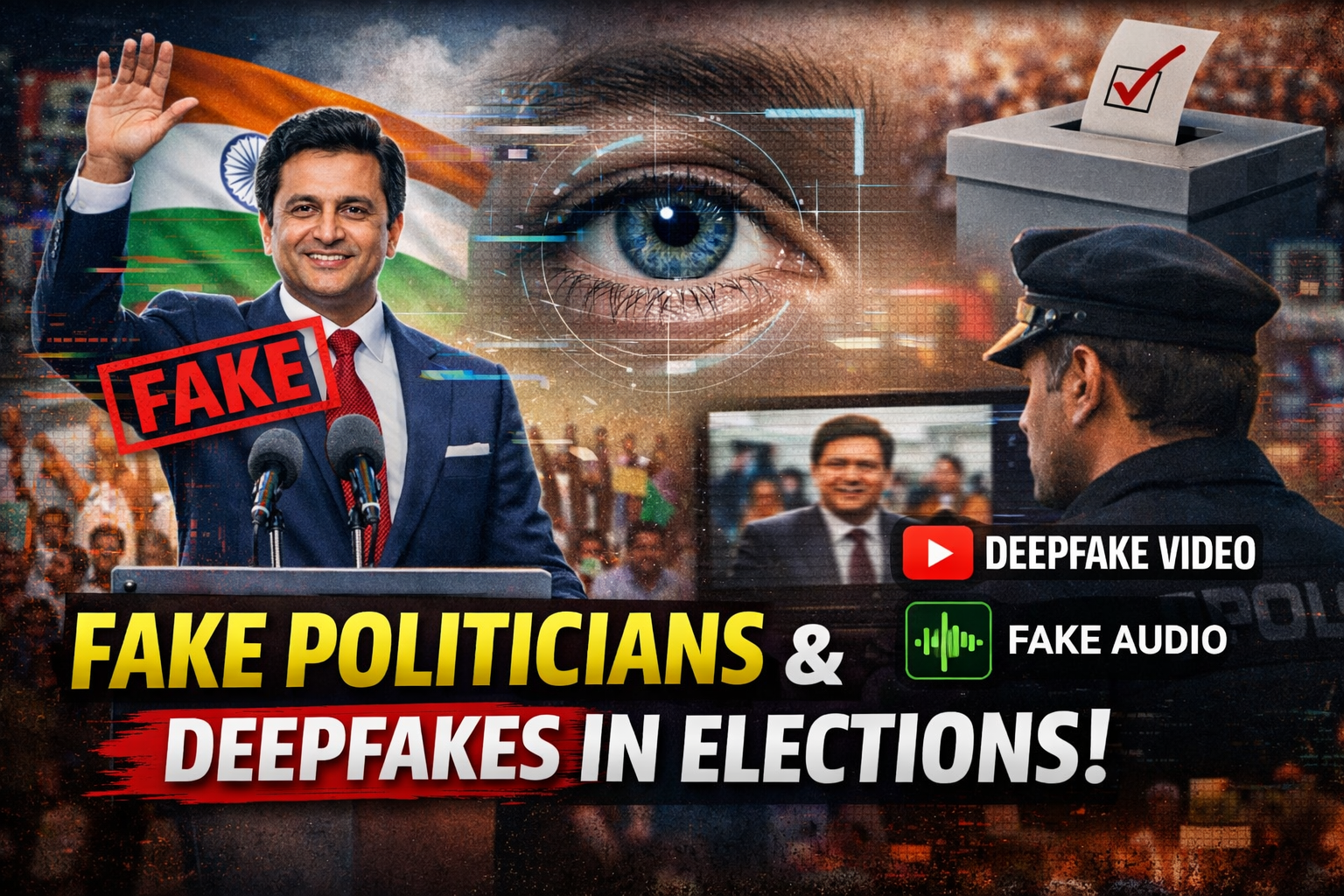
In an election season already defined by high stakes, a new kind of candidate is emerging on voters’ screens—one that doesn’t actually exist. These so-called “synthetic politicians,” created using advanced deepfake technology, are delivering fabricated speeches, leaking fake audio, and appearing in highly realistic videos that are difficult to distinguish from reality.
Across key battlegrounds in India, South Africa, South Korea, and Hungary, this technology is slipping past traditional safeguards and reshaping political narratives. Experts warn that the spread of such content is steadily eroding public trust at a time when democratic confidence is most critical.
AI Campaigning and the Illusion of Reality
In Kerala, where assembly elections are scheduled, political campaigns have increasingly embraced AI-generated content. One widely circulated video appears to show BJP candidate P R Sivasankar leading a massive rally filled with cheering supporters. The visuals are polished and convincing—but entirely artificial.
No rally took place, no crowd gathered, and no speech was delivered. Yet the video spread rapidly, blurring the line between genuine public support and digitally manufactured momentum. What once required real-world organization can now be simulated convincingly with algorithms.
Deepfakes Outpacing Election Safeguards
Traditional election protections—such as media verification, on-ground monitoring, and fact-checking—were designed for a time when visual evidence was largely trustworthy. Deepfakes have disrupted that foundation.
In India, organizations like BOOM report a sharp rise in AI-driven misinformation, with synthetic content now forming a significant portion of political fact-checks. One notable case involved a fake news broadcast falsely attributed to Aaj Tak, complete with realistic visuals and voice cloning—yet entirely fabricated.
By the time such content is debunked, it often has already influenced public perception.
Audio Deepfakes and Political Manipulation
Beyond visuals, AI-generated audio is becoming a powerful tool for misinformation. Fabricated voice recordings can now simulate politicians making controversial or damaging statements without any real source.
In South Korea, election authorities reported an explosive increase in deepfake content. A particularly alarming case involved a manipulated video of Lee Jae Myung appearing to verbally abuse his spouse—an incident that never occurred but was widely circulated to harm his reputation.
In response, South Korea has introduced strict laws banning deepfake political content close to elections, with severe penalties for violations.
Europe’s Challenge: The Hungary Case
In Hungary, deepfake videos targeting opposition leader Péter Magyar have gained millions of views online. One such video falsely depicts him alongside Ursula von der Leyen, suggesting foreign influence over national decisions.
These developments present a dilemma for the European Union, which aims to combat misinformation but must avoid direct interference in member states’ elections—highlighting the complex balance between regulation and sovereignty.
How Voters Can Stay Protected
As synthetic media becomes more widespread, experts recommend a cautious and informed approach:
- Verify content before sharing, especially if it appears shocking or sensational
- Rely on trusted fact-checking platforms for confirmation
- Watch for subtle inconsistencies like unnatural movements or audio mismatches
- Use official election sources for accurate updates and results
An informed and skeptical public remains the strongest defense against misinformation.
The Bottom Line
Deepfake technology is no longer a distant threat—it is actively shaping elections around the world. From AI-generated rallies to fabricated audio leaks, the tools of misinformation are becoming more sophisticated and harder to detect.
As democratic systems adapt, the responsibility to preserve truth is no longer limited to institutions alone. In the age of synthetic media, safeguarding democracy increasingly depends on awareness, vigilance, and critical thinking from every voter.