
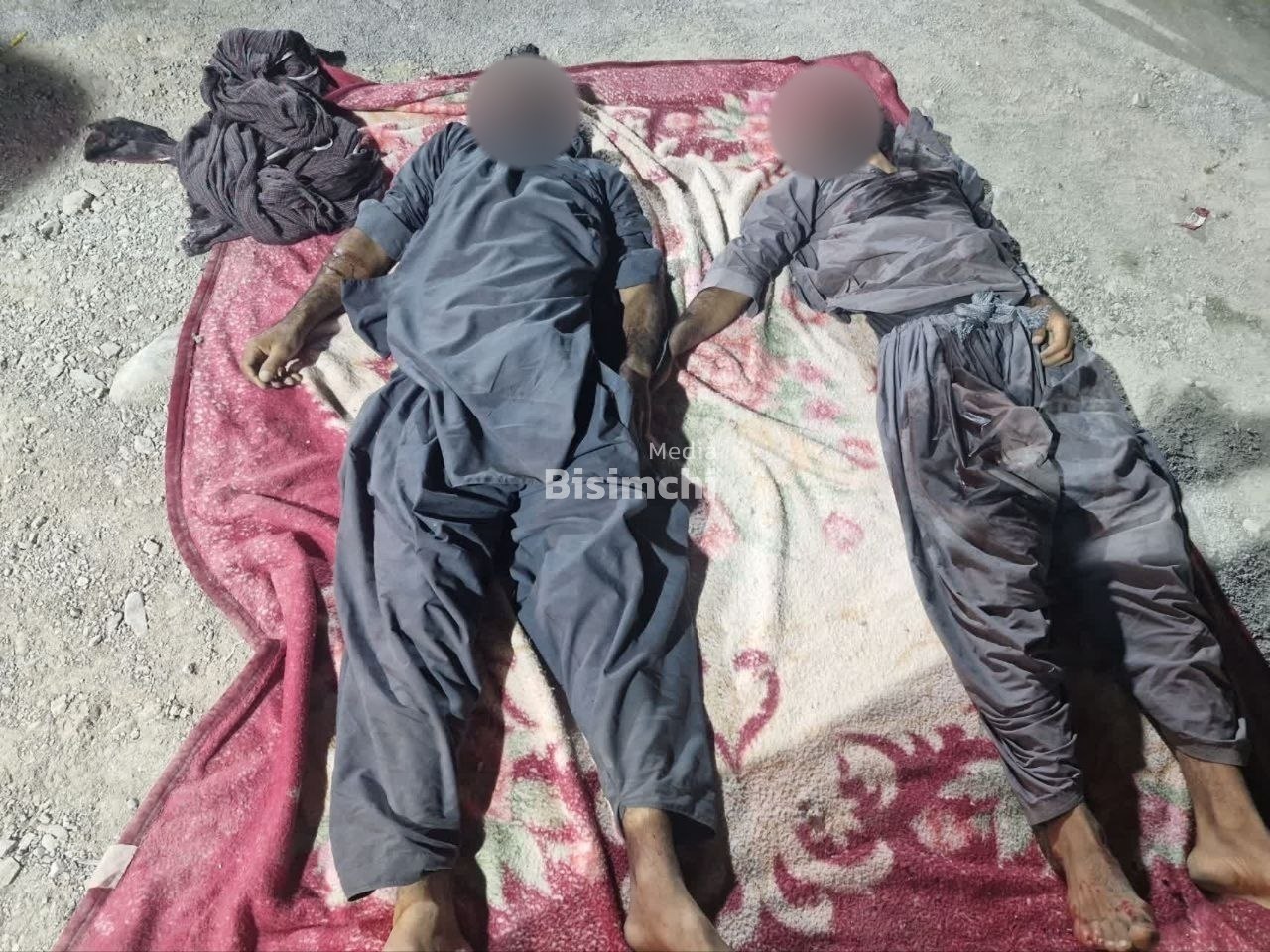
Iran Neutralises Jaish al-Adl Militants: Iranian security forces have killed a group of militants from the group Jaish al-Adl. The militants were trying to sneak into Iran through its southeastern border with Pakistan. This happened in the restive Sistan-Baluchestan province, an area that has seen a lot of trouble over the years.
According to reports, the militants were caught in the Rask area. Iranian border guards got into a shootout with them. Several attackers were killed, and officials say a planned infiltration attempt was stopped.
Why This Border Is a Problem Area
The Iran-Pakistan border, especially in Sistan-Baluchestan, has always been a hotspot for militant activity. The area is rugged, empty, and hard to watch, which makes it easy for armed groups to move across.
Jaish al-Adl is a Sunni militant group that was formed in 2012. It mainly operates in this region. The group says it is fighting for the rights of the Baluch minority in Iran. But Iran calls it a terrorist organization because of its history of violent attacks.
Over the years, this group has carried out many attacks, including:
- Ambushes on Iranian border guards
- Attacks on police stations
- Kidnappings of security personnel
These attacks have seriously hurt the relationship between Iran and Pakistan.
What Happened in the Latest Clash?
In this recent incident, Iranian authorities said a group of militants tried to cross into Iran from Pakistan. Border forces spotted them quickly and launched a counter-operation.
The militants were heavily armed, but Iranian forces took them out before they could carry out any planned attack. Officials called the operation a success, saying it prevented possible deaths and damage inside Iran.
The exact number of militants killed hasn’t been officially confirmed, but several reports say multiple attackers died in the encounter.
Iran-Pakistan Tensions: A Complicated Relationship
This incident shows just how fragile things are between Iran and Pakistan when it comes to border security.
Iran has repeatedly accused Pakistan of letting militant groups like Jaish al-Adl operate from its soil, especially in the Balochistan region. Pakistan has denied these accusations and, in turn, has accused Iran of sheltering anti-Pakistan militant groups.
This mutual distrust has sometimes led to direct military action, including cross-border strikes and revenge operations in recent years.
Why This Region Remains Unstable
There are several reasons why this border area stays so unstable:
1. A Porous Border
The Iran-Pakistan border is over 900 kilometers long and includes mountains and deserts. This makes it hard to monitor, and militant groups take advantage of the gaps.
2. Ethnic and Sectarian Issues
The region is home to Baluch people, many of whom live on both sides of the border. Poverty, lack of opportunities, and political frustrations have fueled insurgent movements.
3. Militant Networks
Groups like Jaish al-Adl use guerrilla tactics, like small raids and hit-and-run attacks, which makes it hard to wipe them out completely.
4. Geopolitical Complexity
The larger situation in the Middle East, including tensions involving major powers, also indirectly affects stability and security priorities in this region.
A Pattern of Repeated Violence
This recent clash is not an isolated event. Iranian officials often report similar infiltration attempts and attacks in the region. In earlier incidents, militants have:
- Attacked border outposts
- Killed Iranian security personnel
- Used cross-border escape routes to avoid capture
This repeated violence has made the region one of Iran’s most sensitive security zones.
Iran’s Security Strategy
In response to these threats, Iran has stepped up its border security measures, including:
- More military patrols
- Better surveillance systems
- Quick-response units in high-risk areas
Iran has also, at times, carried out operations beyond its own borders, targeting militant hideouts it says are located in neighboring countries.
What This Means for the Region and the World
Incidents like this have effects beyond just Iran and Pakistan. They:
- Raise concerns about regional stability
- Highlight the dangers of cross-border terrorism
- Complicate diplomatic relations between neighboring countries
Given the already tense situation in the Middle East and South Asia, such clashes could make things worse if not handled carefully.
What Needs to Happen Next
Experts say long-term stability in the region will require:
- Better coordination between Iran and Pakistan
- Intelligence sharing to track militant movements
- Development programs to address local grievances
Without fixing the root causes of militancy, security operations alone may not bring lasting peace.
Who Is Jaish al-Adl?
Jaish al-Adl is a militant group. Its name in Arabic means “Army of Justice.” It was formed around 2012 and is a Sunni group.
The group mainly operates in southeastern Iran, in a province called Sistan-Baluchestan. This area is right next to the border with Pakistan.
What Do They Do?
The group mostly attacks Iranian security forces, like border guards and police. Iran has officially declared them a terrorist organization.
What Do They Claim?
Jaish al-Adl says it is fighting for the rights of the Baluch minority people in Iran. They point to problems like:
- Not having enough political power
- Being ignored when it comes to jobs and development
- Facing religious discrimination in a country where most people are Shia, not Sunni
What Do Iranian Authorities Say?
Iran and many experts reject these claims. They point to the group’s violent actions, which include:
- Ambushing security forces
- Kidnapping people
- Attacking police stations
- Carrying out cross-border raids
Why Can the Group Survive?
The area where they operate is rugged and has a porous border, which means it’s easy to cross illegally. The region also has long-standing problems like poverty and lack of opportunities. These conditions help the group continue its insurgency.
Why Does This Matter?
The group’s activities keep tensions high between Iran and Pakistan and add to the overall instability in the region.
Conclusion
The killing of Jaish al-Adl militants near the Iran-Pakistan border is a significant event, but it also reminds us how tough the challenges are in this region. Iranian forces successfully stopped a potential attack, but the incident reflects deeper problems like cross-border militancy, political tensions, and regional instability.
As both countries continue to deal with these challenges, working together and talking openly will become more and more important. For now, the border remains tense, and unless a complete solution is found, such incidents will likely keep happening.