Tehran Calls for Sanctions Relief, US Withdrawal, and Long-Term Peace Deal Backed by United Nations
Tehran/Washington — April 2026:
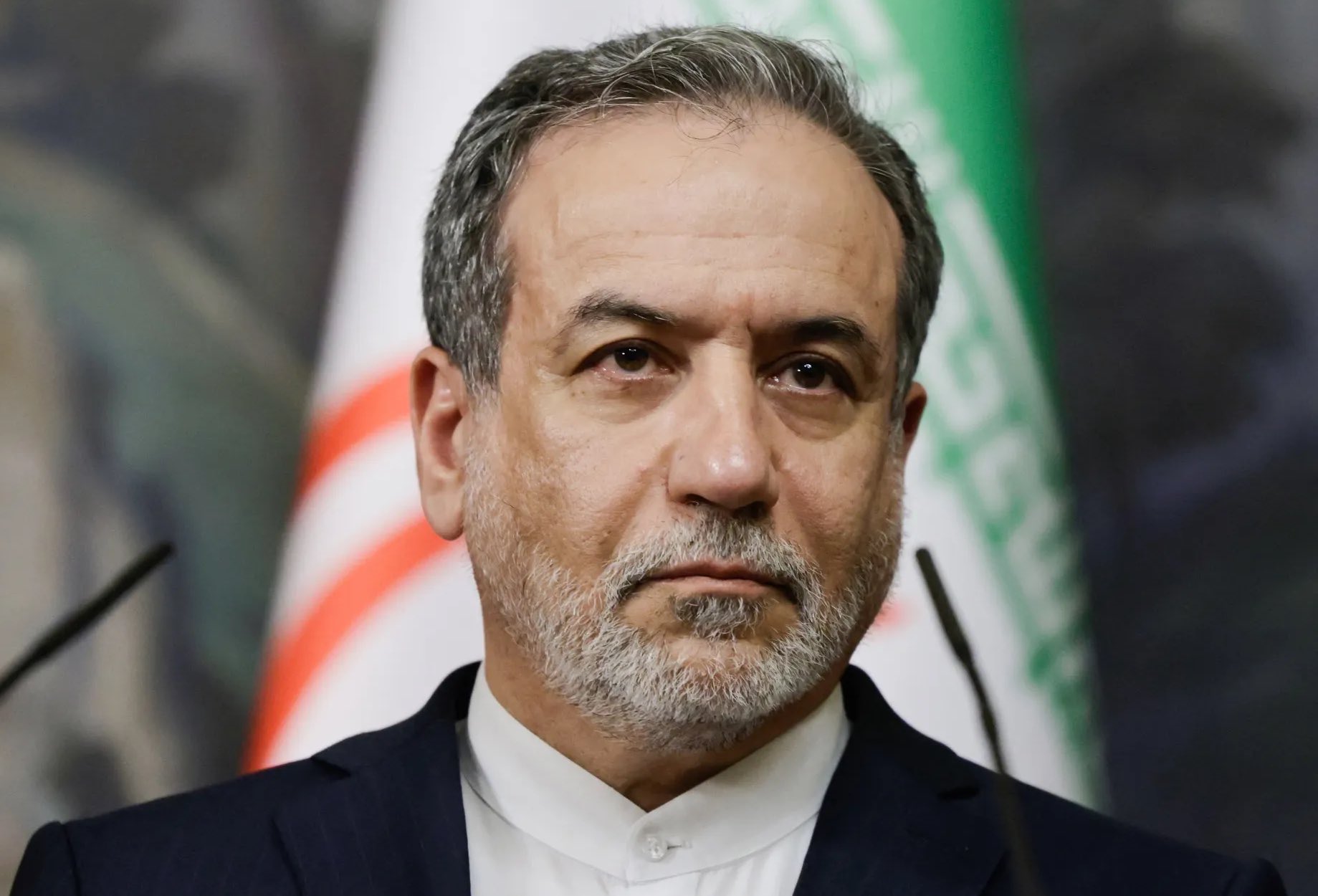
Iran has reportedly submitted a detailed 10-point ceasefire proposal to the United States, aiming to bring an end to escalating tensions in the Middle East. The proposal outlines Iran’s conditions for a permanent peace agreement and signals a major diplomatic move at a time of heightened regional instability.
The plan comes amid ongoing military tensions involving regional actors and growing international concern over the risk of a broader conflict. According to reports, Iran has rejected the idea of a short-term or temporary ceasefire and instead pushed for a comprehensive and long-lasting resolution.
Key Highlights of Iran’s Ceasefire Proposal
At the core of Iran’s proposal is a demand for a permanent end to hostilities. Iranian officials argue that temporary ceasefires only delay conflict rather than resolve it. Therefore, Tehran is seeking a full and final peace agreement that addresses the root causes of the crisis.
One of the most significant demands is the complete lifting of economic sanctions imposed by the United States and its allies. These sanctions have heavily impacted Iran’s Economy over the years, restricting trade, investment, and access to global financial systems. Iran insists that any meaningful peace deal must include immediate sanctions relief.
Another major condition is the release of frozen Iranian assets held in foreign countries. Tehran believes that reclaiming these funds is essential for stabilizing its economy and rebuilding after years of financial pressure.
Demand for US Military Withdrawal
A key point in the proposal is Iran’s call for the withdrawal of US military forces from the Middle East. Tehran views the American military presence as a major source of regional tension and insists that peace cannot be achieved without reducing foreign military involvement.
In addition, Iran has demanded an end to all military actions against itself and its regional allies. This includes stopping airstrikes, covert operations, and support for opposing groups in conflict zones.
Focus on Strategic Waterways
The proposal also highlights the importance of the Strait of Hormuz, one of the World’s most critical oil transit routes. Iran has called for a stronger role in managing and securing this vital passage.
At the same time, Tehran has emphasized the need to ensure safe and uninterrupted shipping through the strait. This is a crucial issue for global energy markets, as a large portion of the world’s oil supply passes through this narrow waterway.
Role of the United Nations
Iran has proposed that any final agreement should be formally recognized and enforced by the United Nations Security Council. By seeking UN backing, Tehran aims to make the agreement legally binding and prevent either side from violating the terms in the future.
Nuclear Program Remains a Sticking Point
Another critical aspect of the proposal involves Iran’s nuclear program. Tehran has insisted on its right to continue nuclear development, although details about limits on uranium enrichment remain unclear. This issue is expected to be one of the most challenging points in any negotiations with Washington.
The nuclear question has long been a source of tension between Iran and the United States, with both sides holding firm positions. Analysts believe this could be a major hurdle in reaching a final agreement.
Global Reactions and Challenges Ahead
International experts have described Iran’s proposal as “ambitious” and “demanding.” While it outlines a clear vision for peace, many of its conditions—especially sanctions removal and US troop withdrawal—may be difficult for Washington to accept fully.
Despite these challenges, the proposal has opened the door for renewed diplomatic talks. Reports suggest that both sides are considering a temporary ceasefire period to allow negotiations to continue, even though Iran prefers a permanent solution.
Global leaders and observers have welcomed the move as a positive step toward de-escalation, particularly given the risks of a wider conflict in the Middle East.
What Lies Ahead
The coming weeks will be crucial in determining whether this proposal can lead to a breakthrough. If successful, the agreement could reshape power dynamics in the region, improve economic conditions in Iran, and reduce global security risks.
However, significant differences remain between the two sides. The success of this initiative will depend on mutual compromise, diplomatic engagement, and international support.
For now, Iran’s 10-point ceasefire plan stands as a bold attempt to shift the conversation from conflict to negotiation—offering a potential path toward long-term peace in one of the world’s most volatile regions.
Iran’s 10 Ceasefire Points
1. Permanent End to War
Iran wants a complete and permanent stop to the conflict, not a short-term ceasefire. The goal is long-lasting peace instead of temporary relief.
2. End to Regional Conflicts
Iran is asking that all fighting across the Middle East involving it and its allies should stop. This includes conflicts in multiple countries where tensions are high.
3. Lifting of Sanctions
Iran demands that the United States and its allies remove all economic sanctions, which have been hurting Iran’s economy for years.
4. Release of Frozen Assets
Iran wants access to billions of dollars of its money frozen in foreign banks. This money is important for stabilizing its economy.
5. US Military Withdrawal
Iran is calling for US troops to leave the Middle East, saying foreign military presence increases tensions and instability in the region.
6. Stop Attacks on Iran and Allies
Iran wants a complete halt to military strikes, pressure, and actions against itself and its allied groups.
7. Role in Strait of Hormuz Security
Iran seeks a bigger role in controlling the Strait of Hormuz, a key global oil shipping route.
8. Safe Shipping Guarantee
Iran proposes a system to ensure safe passage of ships through the Strait of Hormuz, which is critical for global oil supply.
9. UN-Backed Agreement
Iran wants the deal to be officially approved by the United Nations Security Council so that it becomes legally binding and enforceable.
10. Nuclear Program Rights
Iran insists on continuing its nuclear program, though there may be negotiations on limits. This is one of the most sensitive issues.
Summary
These 10 points show that Iran is pushing for a long-term, strong agreement that includes economic relief, military changes, and political recognition. However, many of these demands are difficult, so negotiations may take time.