
Introduction
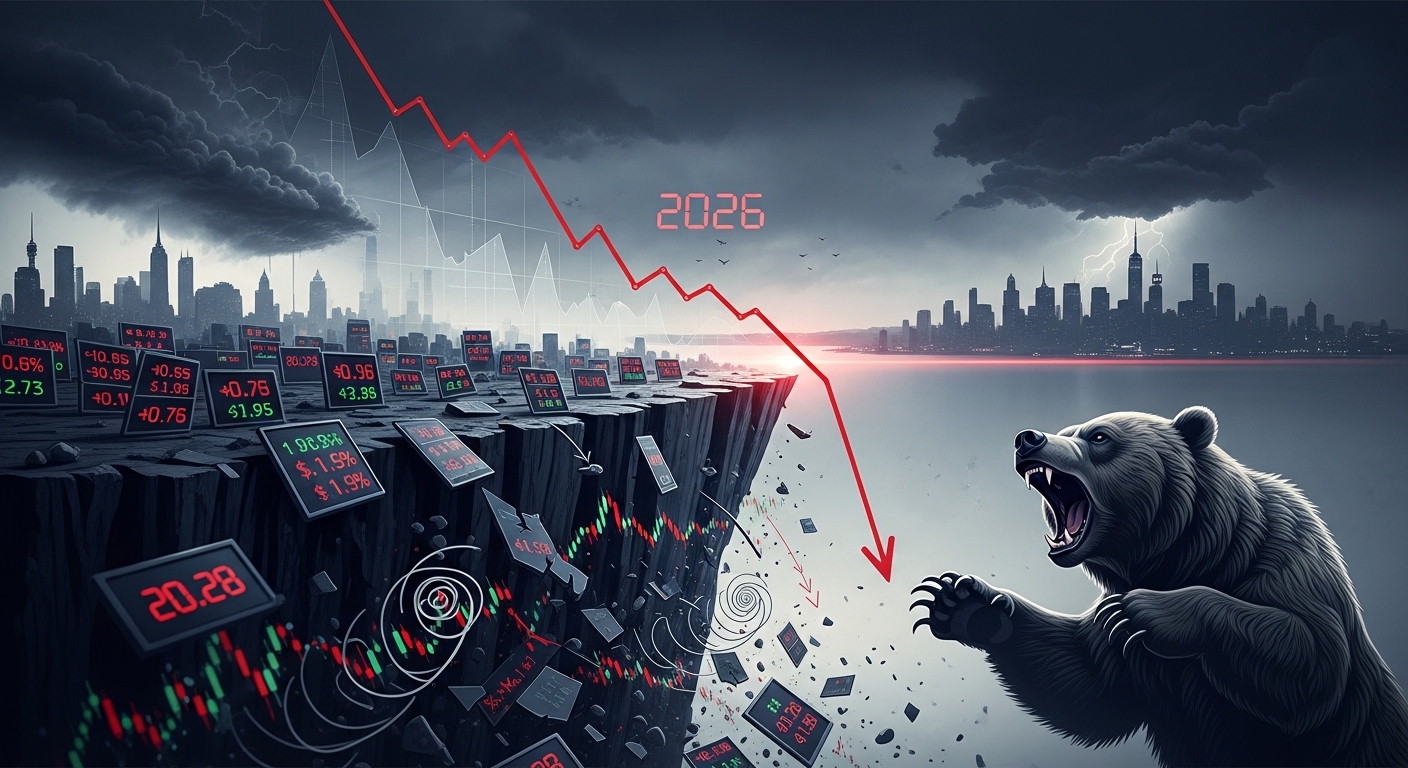
The US stock market is facing significant volatility in 2026 as rising geopolitical tensions and economic uncertainty continue to shake investor confidence. Major indices have experienced fluctuations, with sudden drops reflecting growing concerns among global investors. As the United States plays a central role in the global financial system, any instability in its stock market has far-reaching implications.
The US stock market News 2026 highlights a complex mix of economic slowdown, rising oil prices, and geopolitical risks that are driving uncertainty. Investors worldwide are closely watching market movements to understand what lies ahead.
What Is Happening in the US Stock Market?
In recent weeks, the US stock market has seen noticeable declines across key indices such as the S&P 500, Dow Jones Industrial Average, and Nasdaq. These fluctuations are largely driven by global tensions, particularly in the Middle East, as well as domestic economic concerns.
Markets have reacted sharply to news related to conflict escalation, inflation data, and economic growth slowdown. Sudden sell-offs and cautious trading patterns indicate that investors are becoming increasingly risk-averse.
Key Reasons Behind Market Volatility
1. Geopolitical Tensions
One of the biggest drivers of market instability in 2026 is rising geopolitical tension. Conflicts in critical regions, especially involving major powers, create uncertainty in global markets.
Investors tend to react quickly to such developments, often pulling out funds from equities and moving toward safer assets.
2. Rising Oil Prices
Oil prices have surged due to instability in the Middle East. Higher oil prices directly impact corporate earnings by increasing production and transportation costs.
This, in turn, reduces profitability for companies and negatively affects stock prices.
3. US Economic Slowdown
The US Economy is showing signs of slowing down, with GDP growth declining significantly. A slowing economy reduces corporate earnings expectations, leading to lower stock valuations.
4. High Interest Rates
The Federal Reserve has maintained relatively high interest rates to control inflation. While this helps stabilize prices, it also reduces liquidity in the market.
Higher interest rates make borrowing expensive, affecting both businesses and consumers.
5. Inflation Pressure
Although inflation has moderated slightly, it remains above target levels. Persistent inflation continues to erode purchasing power and affect business operations.
Investor Sentiment in 2026
Investor sentiment has shifted noticeably due to these challenges:
- Increased fear and uncertainty
- Lower risk appetite
- Higher demand for safe investments
Many investors are moving their funds into assets like government bonds, gold, and cash equivalents, avoiding high-risk equities.
Impact on Global Markets 🌍
The US stock market plays a crucial role globally, and its volatility impacts markets worldwide:
1. Global Market Reaction
Stock markets in Europe, Asia, and other regions often follow trends set by the US market. A decline in US markets can trigger global sell-offs.
2. Capital Flow Changes
Investors may shift their investments between countries based on US market performance, affecting emerging markets.
3. Currency Fluctuations
Market instability can influence currency values, particularly the US dollar, which impacts international trade.
Sector-Wise Impact
Different sectors are reacting differently to the current market conditions:
1. Technology Sector
Tech stocks have seen volatility due to valuation concerns and interest rate pressure.
2. Energy Sector
Energy companies are benefiting from rising oil prices, showing relative strength.
3. Financial Sector
Banks and financial institutions are affected by interest rate changes and economic slowdown.
4. Consumer Goods
Consumer-focused companies are facing pressure due to reduced spending.
What Should Investors Do in 2026?
Experts recommend a cautious and strategic approach:
1. Diversify Investments
Avoid putting all funds into one sector or asset class. Diversification helps reduce risk.
2. Focus on Long-Term Goals
Short-term volatility should not distract from long-term investment strategies.
3. Monitor Market Trends
Stay updated with economic data and global developments.
4. Avoid Panic Selling
Market corrections are common. Selling in panic can lead to losses.
Safe Haven Assets Gaining Popularity
As volatility increases, investors are turning toward safer options:
- Government bonds
- Gold
- Defensive stocks
These assets provide stability during uncertain market conditions.
Expert Insights
Market analysts believe that volatility may continue in the near term due to ongoing geopolitical tensions and economic uncertainty.
Some experts suggest that while risks are high, market corrections may also create opportunities for long-term investors to buy quality stocks at lower prices.
Future Outlook of the US Stock Market
The direction of the US stock market in 2026 will depend on several key factors:
1. Geopolitical Stability
Resolution of global conflicts could restore investor confidence.
2. Inflation Trends
If inflation continues to decline, it may reduce pressure on markets.
3. Federal Reserve Policies
Changes in interest rates will play a crucial role in shaping market direction.
4. Economic Growth Recovery
Improvement in economic indicators could support market recovery.
Conclusion
The US stock market news 2026 reflects a period of uncertainty driven by global tensions, economic slowdown, and rising costs. While the current environment poses challenges, it also offers opportunities for informed investors.
Understanding market trends, staying patient, and making strategic decisions will be key to navigating this volatile phase. As the situation evolves, investors must remain vigilant and adaptable to changing market conditions.