
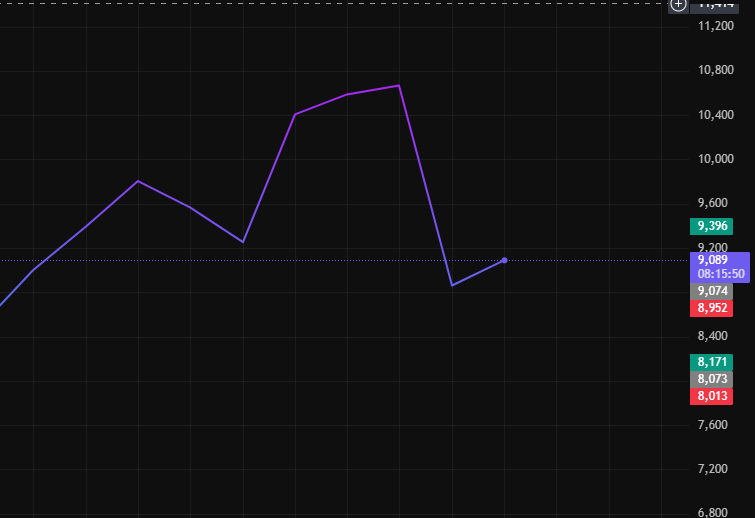
Supply Risks, Strait of Hormuz Concerns, and Renewed Tensions Push Global Crude Prices Higher
April 2026 — Global oil prices have surged again suddenly, reversing earlier declines, as concerns grow over the fragile ceasefire in the Middle East. The renewed rise highlights how sensitive energy markets remain to geopolitical developments, especially tensions involving Iran and the United States.
After initially falling sharply following the announcement of a temporary ceasefire, crude oil prices are once again climbing as doubts emerge about the durability of the agreement.
Sharp Price Movement in Global Markets
According to latest reports, benchmark crude prices have risen by around 3–4% in recent trading sessions, with Brent crude nearing $98 per barrel again.
This sudden jump comes just days after oil prices had dropped below $95 per barrel following the ceasefire announcement, which had briefly eased fears of supply disruptions.
However, markets are now reacting to fresh risks, signaling that the situation is far from stable.
Why Oil Prices Are Rising Again
1. Fragile Ceasefire
The biggest factor behind the price jump is the uncertain future of the ceasefire. Reports suggest that tensions remain high, with both sides issuing warnings and accusations of violations.
Investors fear that any breakdown in the truce could disrupt oil supply once again.
2. Strait of Hormuz Concerns
The Strait of Hormuz remains at the center of the crisis. Nearly 20% of the world’s oil supply passes through this route, making it one of the most critical energy corridors globally.
Even the risk of disruption in this narrow waterway is enough to push prices higher.
3. Supply Disruptions and Shipping Delays
Ongoing tensions have already affected oil shipments, with reports of tankers being delayed or stranded in the region. This has created short-term supply shortages, adding pressure on prices.
4. Market Uncertainty and Speculation
Oil markets are highly sensitive to geopolitical News. Traders are reacting quickly to every update, causing high volatility. Experts say the current price movement reflects uncertainty rather than actual supply shortages.
Impact on Global Economy
The sudden rise in oil prices is likely to have wide economic effects:
- Fuel Prices May Increase: Higher crude oil prices often lead to more expensive petrol and diesel.
- Inflation Risk: Rising energy costs can push up prices of goods and services worldwide.
- Stock Market Pressure: Global markets have already shown signs of weakness due to rising oil prices.
Countries that depend heavily on oil imports, including India, may face increased economic pressure if prices continue to rise.
Experts Warn of Continued Volatility
Analysts warn that oil prices may remain unstable in the coming weeks. While some forecasts suggest prices could stabilize if the ceasefire holds, others caution that further escalation could push prices much higher.
In extreme scenarios, experts believe that prolonged disruption in Middle East supply could lead to sharp spikes in oil prices, especially if shipping routes are blocked again.
What Happens Next?
The future of oil prices now depends largely on political and military developments in the region. Key factors to watch include:
- Whether the ceasefire between Iran and the United States holds
- Developments around the Strait of Hormuz
- Progress in diplomatic talks
- Any new military activity in the region
If tensions ease, prices could stabilize or even fall again. But if the situation worsens, global energy markets may face another major shock.
Conclusion
The sudden jump in oil prices is a clear reminder of how closely global energy markets are tied to geopolitical stability. While the ceasefire initially brought relief, ongoing uncertainty has quickly reversed that trend.
For now, the world remains on edge, as even small developments in the Middle East continue to have big impacts on oil prices and the global economy.