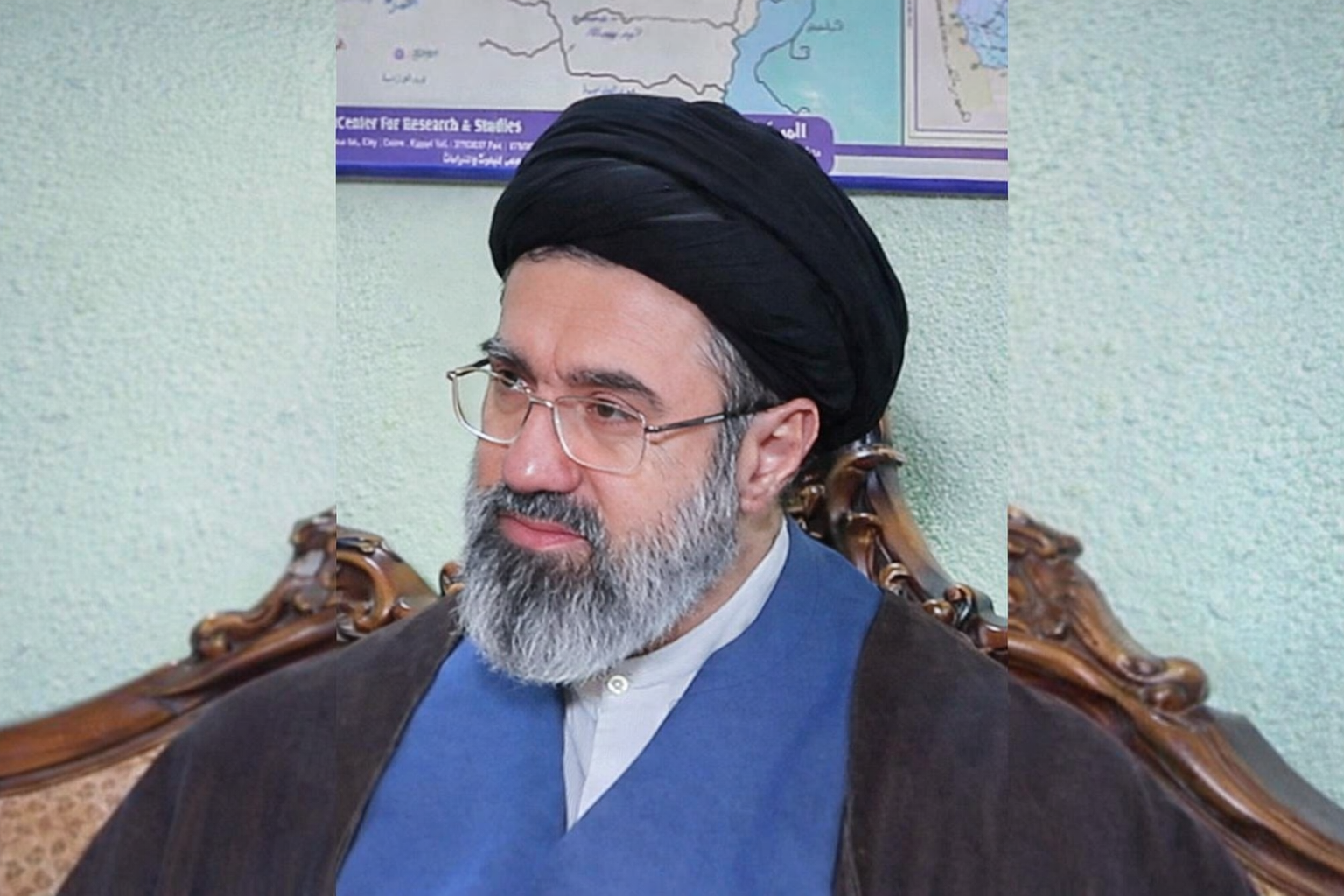
Message Highlights Victory Claims, Threat to Aggressors, and New Strategy for Strait of Hormuz
Tehran — April 2026: In a powerful new message, Mojtaba Khamenei has stated that Iran is not seeking war but will firmly defend its rights and sovereignty. The statement comes at a time when tensions remain high despite a recent ceasefire, raising fresh concerns about stability in the region.
Khamenei emphasized that while Iran does not want further conflict, it will not compromise on key national interests. “We are not seeking war, but we will not forfeit our rights,” the message said, reflecting a balanced yet firm position.
Claims of Victory on the Battlefield
In the statement, Iran declared that its people were the “definitive victors” in the recent conflict. This claim highlights the country’s effort to present the outcome as a strategic success, despite the damage caused during the fighting.
Analysts say such messaging is aimed at strengthening domestic morale and reinforcing the government’s position ahead of future negotiations.
Warning to “Criminal Aggressors”
Khamenei also issued a strong warning to those he described as “criminal aggressors” who attacked Iran. He stated that Iran would not ignore or forgive such actions, signaling that accountability and possible retaliation remain on the table.
This part of the message has raised concerns among global observers, as it suggests that tensions could rise again if diplomatic efforts fail.
Strait of Hormuz Enters a “New Stage”
A major highlight of the statement was Iran’s position on the Strait of Hormuz, one of the most critical waterways for global energy supply.
Khamenei said that the management of the Strait of Hormuz would move to a “new stage,” indicating possible changes in how the route is controlled and secured. The strait handles a significant share of the World’s oil shipments, and any disruption or policy shift could have global economic consequences.
Experts believe this statement is a strategic signal that Iran may use its geographical advantage to increase pressure on its rivals.
Mixed Signals: Peace and Power
The overall message reflects a dual approach by Iran—on one hand, expressing willingness to avoid war, and on the other, making it clear that it will not back down under pressure.
This approach is often seen as a way to maintain strong negotiating power while avoiding direct escalation.
Global Reactions and Concerns
The international community is closely watching the situation. Recent reports of ceasefire violations and rising tensions have already created uncertainty in global markets, especially in the energy sector.
Any instability involving the Strait of Hormuz could lead to higher Oil Prices and disruptions in global trade, making the situation critical not just for the region but for the world.
Conclusion
The latest message from Mojtaba Khamenei underscores Iran’s firm stance during a sensitive time. While the country has stated it does not seek war, its warnings and strategic signals suggest that the situation remains fragile.
As diplomatic efforts continue, the coming days will be crucial in determining whether tensions ease or escalate further in the Middle East.