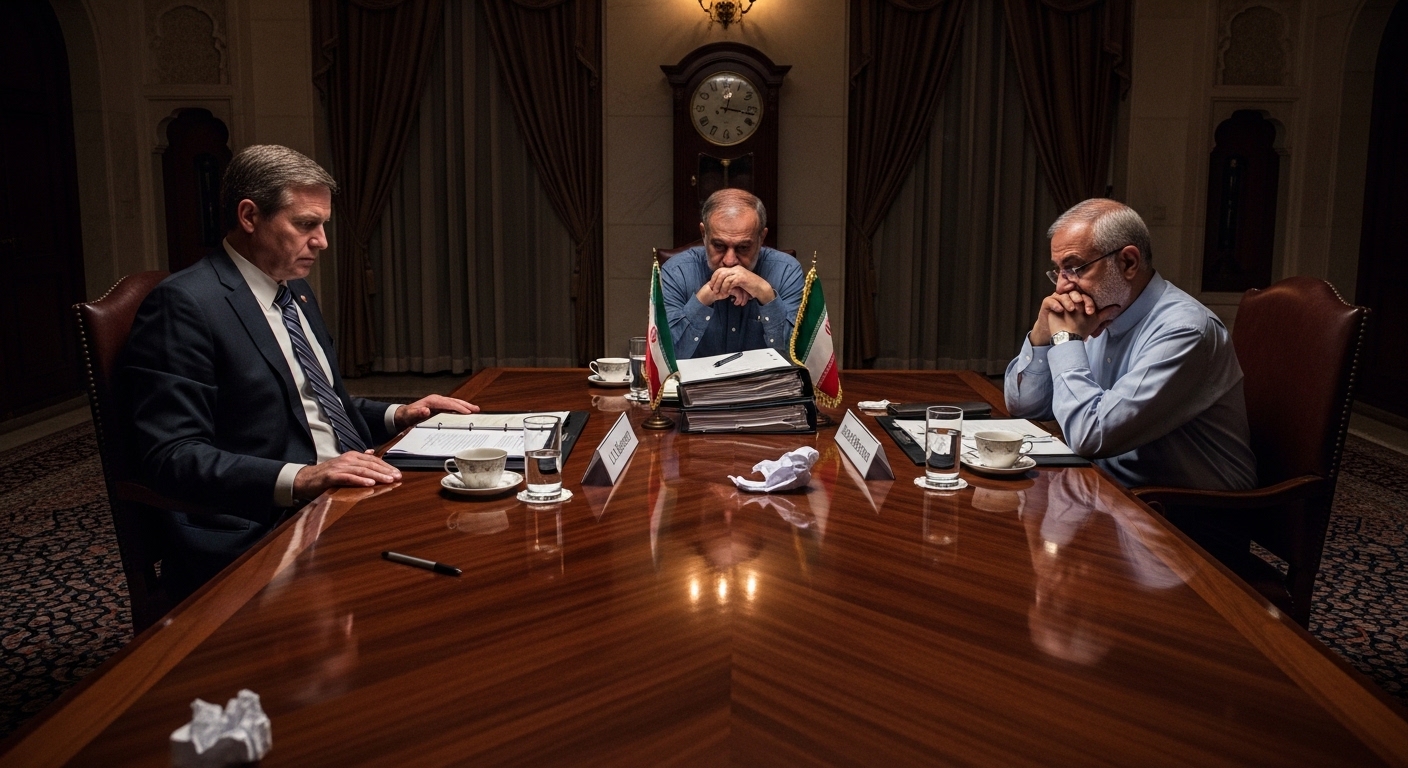
High-stakes diplomatic talks between the United States and Iran, held in Islamabad, have ended without any agreement after nearly 21 hours of intense negotiations. The discussions, which were closely watched by global observers, concluded with both sides presenting sharply differing accounts of why the talks failed.
The U.S. delegation, led by J. D. Vance, has departed Islamabad following the breakdown. While Washington has not released a detailed public explanation immediately, Iranian officials were quick to outline their perspective, signaling a widening gap between the two sides.
According to statements shared by the Iranian mission abroad, Tehran issued what it described as a “flat refusal” to key U.S. demands. The Iranian side accused Washington of “seeking excuses” to exit the negotiations and alleged that the U.S. was pushing for concessions it could not secure through military means. This strong language reflects the deep mistrust that continues to define relations between the two countries.
Further insights came from Mehr News Agency, which cited a spokesperson from Iran’s Foreign Ministry. The spokesperson highlighted that the negotiations had expanded beyond traditional points of contention and included new, highly sensitive topics. Among them, the issue of the Strait of Hormuz emerged as particularly complex.
The Strait of Hormuz, a critical global oil transit route, has long been a focal point of geopolitical tension. Any discussions involving this strategic passage inevitably carry broader implications for global energy markets and regional security. Iranian officials emphasized that each issue on the table came with its own unique challenges, making consensus difficult to achieve within a limited timeframe.
Despite the failure to reach an agreement, the Iranian spokesperson underscored the importance of continued diplomatic engagement. They stated that officials involved in the talks remain committed to safeguarding the rights and interests of the Iranian people, regardless of the outcome of this round of discussions.
The collapse of these talks raises concerns about the future trajectory of U.S.–Iran relations. With no agreement in place and both sides holding firm positions, the possibility of renewed tensions cannot be ruled out. At the same time, diplomatic channels remain open, leaving room for potential future negotiations.
For now, the outcome in Islamabad highlights the complexity of resolving longstanding disputes and the challenges of bridging deeply entrenched political differences on the global stage.